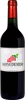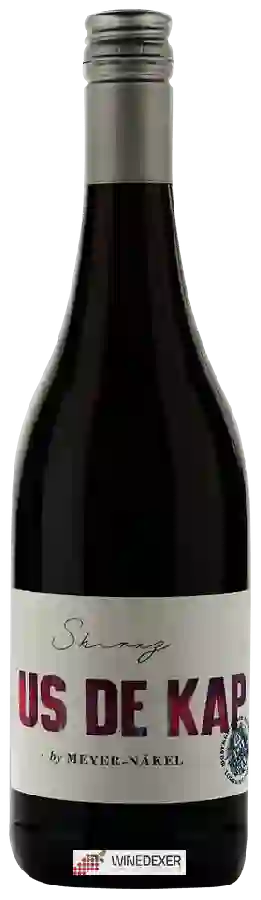
Winery Meyer - NäkelUs de Kap Shiraz
 Red wine


This wine generally goes well with beef, lamb or mature and hard cheese.

Wine flavors and olphactive analysis

On the nose the Us de Kap Shiraz of Winery Meyer - Näkel in the region of Ahr often reveals types of flavors of oak.
Food and wine pairings with Us de Kap Shiraz
Pairings that work perfectly with Us de Kap Shiraz



Original food and wine pairings with Us de Kap Shiraz

The Us de Kap Shiraz of Winery Meyer - Näkel matches generally quite well with dishes of beef, lamb or spicy food such as recipes of korean bibimbap, shoulder of lamb with a spoon or filet mignon with curry.
Details and technical informations about Winery Meyer - Näkel's Us de Kap Shiraz.
Discover the grape variety: Malvasia di Sardegna
Structured and oxidative whites with fine ageing potential, amber in colour, an ample palate with fresh acidity, and signature aromas of roasted almonds, dried fruits (walnut, fig), candied citrus and rancio notes. Also as sweet passito liquoreux. Star of the Malvasia di Bosa DOC, expressing itself in complex sweet island wines and Sardinian passito. Malvasia variety grown in Sardinia, notably in Bosa and Cagliari.
Last vintages of this wine

The best vintages of Us de Kap Shiraz from Winery Meyer - Näkel are 2015, 2013, 0, 2016
Informations about the Winery Meyer - Näkel
The Winery Meyer - Näkel is one of of the world's great estates. It offers 52 wines for sale in the of Ahr to come and discover on site or to buy online.

The wine region of Ahr
Small German valley south of Bonn, the country's largest contiguous single red-grape zone. Signature Spatburgunder (Pinot Noir) (>60%): elegant, structured reds with signature notes of cherry, raspberry, wild strawberry, undergrowth and sweet spice, silky tannins and taut freshness — Burgundian style in an improbable climate. Also early Fruhburgunder, fleshier. ~560 ha on steep slopes over schist and slate, sheltered temperate microclimate.
The word of the wine: Sweet
Wine with a slightly sickening sweetness.