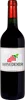
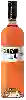
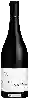
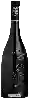
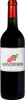
Château de MauvanneCôtes de Provence Rouge
 Red wine



This wine generally goes well with poultry, beef or lamb.

Wine flavors and olphactive analysis


On the nose the Côtes de Provence Rouge of Château de Mauvanne in the region of Provence often reveals types of flavors of citrus, strawberries or cheese and sometimes also flavors of microbio, citrus fruit or red fruit.
Food and wine pairings with Côtes de Provence Rouge
Pairings that work perfectly with Côtes de Provence Rouge



Original food and wine pairings with Côtes de Provence Rouge


The Côtes de Provence Rouge of Château de Mauvanne matches generally quite well with dishes of beef, lamb or spicy food such as recipes of oxtail and carrot stew, lamb tagine with dried fruits and herbs or stuffed squid in the sétoise sauce.
Details and technical informations about Château de Mauvanne's Côtes de Provence Rouge.
Discover the grape variety: Cabernet-Sauvignon
Structured, tannic reds, deeply coloured, with aromas of blackcurrant, blackberry, cedar, tobacco and graphite, underpinned by firm acidity and fine ageing potential. Cornerstone of the great Médoc estates (Pauillac, Saint-Estèphe, Saint-Julien) and signature of Napa Valley, Coonawarra and Maipo. The world's most planted red variety, a natural cross of Cabernet Franc x Sauvignon Blanc born in Bordeaux.
Last vintages of this wine
The best vintages of Côtes de Provence Rouge from Château de Mauvanne are 2003, 2017, 2018, 2016 and 2015.
Informations about the Château de Mauvanne
The Château de Mauvanne is one of of the world's greatest estates. It offers 6 wines for sale in the of Côtes de Provence to come and discover on site or to buy online.

The wine region of Côtes de Provence
World reference for pale, elegant rosé: salmon to onion-skin hue, notes of strawberry, pink grapefruit, white peach and flowers, fresh, dry, mineral palate, taut finish. 90% of output, the Provençal signature. Grenache, Cinsault, Syrah and native Tibouren in the blend. A few fleshy Mediterranean reds (Mourvèdre, Syrah) and saline Vermentino whites.
The wine region of Provence
World capital of dry, refined rosé (~90% of production). Pale rose-petal colour, delicate nose of fresh red fruits (strawberry, raspberry, redcurrant), citrus (pink grapefruit), white flowers and a mineral touch, taut and thirst-quenching palate — the Mediterranean aperitif par excellence. Blends of Grenache, Cinsault, Syrah, Tibouren and Mourvèdre. Fleshy Bandol reds from Mourvèdre (leather, garrigue, age-worthy), straight Cassis whites.
The word of the wine: Acescence
An alteration in wine also known as pitting (hence the expression piqué wine), due to the presence of acetic acid and ethyl acetate, and characterized by a vinegar-like odor.