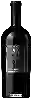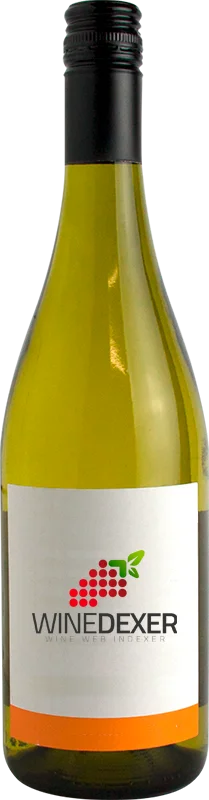
Winery Mas AmielMillésime ′85
 Natural sweet wine


This wine generally goes well with beef, mature and hard cheese or spicy food.



Food and wine pairings with Millésime ′85
Pairings that work perfectly with Millésime ′85



Original food and wine pairings with Millésime ′85
The Millésime ′85 of Winery Mas Amiel matches generally quite well with dishes of beef, spicy food or mature and hard cheese such as recipes of venison leg in casserole, cicadas at the chib or chicken, zucchini and tomato pie.
Details and technical informations about Winery Mas Amiel's Millésime ′85.
Discover the grape variety: Négret pounjut
Light, simple fruity reds with a lightly coloured light ruby robe, silky tannins and an airy palate with moderate acidity, showing undemonstrative aromas of red fruits. Discreet, rustic profile. Almost extinct, preserved in INRAE varietal collections for its heritage value, bearing witness to the pre-phylloxera ampelographic diversity of the South-West. Rare French black grape, formerly grown in the South-West.
Last vintages of this wine
The best vintages of Millésime ′85 from Winery Mas Amiel are 1985
Informations about the Winery Mas Amiel
The Winery Mas Amiel is one of of the world's great estates. It offers 58 wines for sale in the of Maury to come and discover on site or to buy online.

The wine region of Maury
Roussillon AOC specialising in fortified vins doux naturels (spirit-fortified), Agly valley on black schist. Signature Grenache Noir (75% min): powerful, sun-drenched sweet reds with notes of candied black cherry, blackberry, kirsch, cocoa, coffee, garrigue, dried fig and a balsamic touch, unctuous palate and long finish — from young fruity Grenat to oxidative rancio Tuilé. Also dense Maury Sec red. Perfect pairing with chocolate desserts.
The wine region of Languedoc-Roussillon
Largest single French vineyard, dominated by sunny, generous reds. Spicy Syrah, candied Grenache (ripe fruit, garrigue), structured Carignan, deep Mourvèdre, supple Cinsault. Stars: structured Corbières, Minervois, Faugères, Saint-Chinian; round Côtes-du-Roussillon. Legendary vins doux naturels: Banyuls and Maury (fortified Grenache) with notes of cocoa, fig, prune.
The word of the wine: Physiological maturity
The stage of ripeness of the grape berry when it has reached an optimal weight and when the sugar and acidity levels have stabilized.