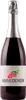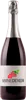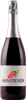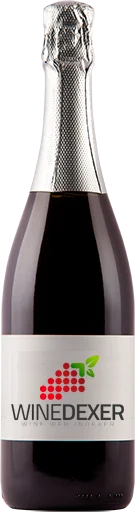
Winery MarchesiniCuvée Collection Brut
 Sparkling wine


This wine is a blend of 2 varietals which are the Cortese and the Garganega.
This wine generally goes well with pork, appetizers and snacks or beef.
Food and wine pairings with Cuvée Collection Brut
Pairings that work perfectly with Cuvée Collection Brut



Original food and wine pairings with Cuvée Collection Brut



The Cuvée Collection Brut of Winery Marchesini matches generally quite well with dishes of beef, lamb or pork such as recipes of spanish stew (cocido), couscous of meat and fish or quick brioche sausage.
Details and technical informations about Winery Marchesini's Cuvée Collection Brut.
Discover the grape variety: Cortese
A very old variety, cultivated for a very long time in Piedmont in northwestern Italy, it can also be found in other Italian wine regions. It is known in Germany, Switzerland, Argentina, Mexico, Brazil, the United States, etc. It is virtually unknown in France.
Last vintages of this wine
The best vintages of Cuvée Collection Brut from Winery Marchesini are 2017, 0
Informations about the Winery Marchesini
The Winery Marchesini is one of of the world's greatest estates. It offers 13 wines for sale in the of Emilia-Romagna to come and discover on site or to buy online.

The wine region of Emilia-Romagna
Romagna/emilia">Emilia-Romagna is a Rich and fertile region in Northern Italy, and one of the country's most prolific wine-producing regions, with over 58,000 hectares (143,320 acres) of vines in 2010. It is 240 kilometers (150 miles) wide and stretches across almost the entire northern Italian peninsula, sandwiched between Tuscany to the South, Lombardy and Veneto to the north and the Adriatic Sea to the east. Nine miles of Liguria is all that separates Emilia-Romagna from the Ligurian Sea, and its uniqueness as the only Italian region with both an east and west coast. Emilia-Romagna's wine-growing heritage dates back to the seventh century BC, making it one of the oldest wine-growing regions in Italy.
The word of the wine: Sensory analysis
Technical name of the tasting.