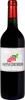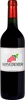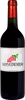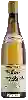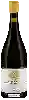
Maison Bruyère & DavidPlaisir Syrah
 Red wine



This wine generally goes well with beef, lamb or mature and hard cheese.

Food and wine pairings with Plaisir Syrah
Pairings that work perfectly with Plaisir Syrah



Original food and wine pairings with Plaisir Syrah

The Plaisir Syrah of Maison Bruyère & David matches generally quite well with dishes of beef, lamb or spicy food such as recipes of oxtail and carrot stew, languedoc-roussillon lamb en papillote and its tajine with... or cicadas at the chib.
Details and technical informations about Maison Bruyère & David's Plaisir Syrah.
Discover the grape variety: Canaiolo
Supple and delicate reds with a clear ruby hue, smooth tannins and an airy palate, featuring signature aromas of plum, violet, cherry and gentle spices. Brings roundness and fruit to blends. Long the companion of Sangiovese in the historic Chianti DOCG, it produces approachable Tuscan wines. Today seeing renewed interest as a single variety for more delicate artisan cuvées. Emblematic autochthonous black variety from Tuscany.
Last vintages of this wine
The best vintages of Plaisir Syrah from Maison Bruyère & David are 0
Informations about the Maison Bruyère & David
The Maison Bruyère & David is one of of the world's greatest estates. It offers 5 wines for sale in the of Rhone Valley to come and discover on site or to buy online.

The wine region of Rhone Valley
France's 2nd-largest AOC vineyard, two complementary worlds. Northern: pure Syrah in signature reds (Côte-Rôtie, Hermitage, Cornas), deep and peppery with blackberry, violet, black olive and smoked bacon notes, exceptional ageing. Opulent Viognier whites (Condrieu, apricot, flowers) and ample Marsanne-Roussanne. Southern: sun-soaked Grenache blends at Châteauneuf, Gigondas, Vacqueyras (candied fruit, garrigue).
The word of the wine: Venaison
Applied to the bouquet of a wine reminiscent of the smell of big game.