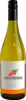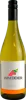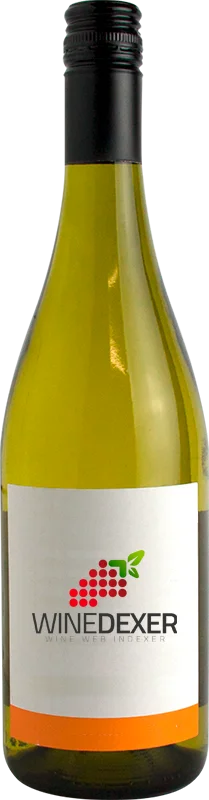
Winery LusentiAlnetu Ortrugo
 White wine


In the mouth this white wine is a with a nice freshness.
This wine generally goes well with vegetarian, appetizers and snacks or lean fish.

Taste structure of the Alnetu Ortrugo from the Winery Lusenti
Light | Bold | |
Dry | Sweet | |
Soft | Acidic |
In the mouth the Alnetu Ortrugo of Winery Lusenti in the region of Emilia-Romagna is a with a nice freshness.
Food and wine pairings with Alnetu Ortrugo
Pairings that work perfectly with Alnetu Ortrugo



Original food and wine pairings with Alnetu Ortrugo


The Alnetu Ortrugo of Winery Lusenti matches generally quite well with dishes of pasta, vegetarian or appetizers and snacks such as recipes of my lasagna bolognese (without béchamel sauce), cream and tuna quiche or aperitif puff pastries (cheese matches, puff pastries with....
Details and technical informations about Winery Lusenti's Alnetu Ortrugo.
Discover the grape variety: Muscaris
Aromatic, expressive dry whites with a pale golden colour and a broad, crisp palate; signature intense muscat aromas (rose, fresh grape), white flowers, exotic fruits (lychee, mango) and citrus. Modern disease-resistant early-ripening profile. Grown in Germany, Switzerland, Belgium and the UK in organic northern vineyards. German white hybrid obtained in 1987 in Freiburg, from Solaris × Muscat à Petits Grains.
Last vintages of this wine
The best vintages of Alnetu Ortrugo from Winery Lusenti are 0
Informations about the Winery Lusenti
The Winery Lusenti is one of of the world's great estates. It offers 24 wines for sale in the of Emilia-Romagna to come and discover on site or to buy online.

The wine region of Emilia-Romagna
Kingdom of Lambrusco: fresh, fruity sparkling reds (blackberry, cherry, violet), from gourmet dry to convivial off-dry, perfect with local charcuterie. World's best-selling sparkling wine on the Emilia side (Sorbara, Grasparossa, Salamino). East, Romagna: supple fruity Sangiovese, Albana (Italy's 1st white DOCG, 1987) ample and almondy. Also red Gutturnio and white Pignoletto.
The word of the wine: Ban des vendanges
Date of the beginning of the grape harvest, fixed by the lord in the tradition of the Middle Ages and, today, by the prefect.