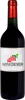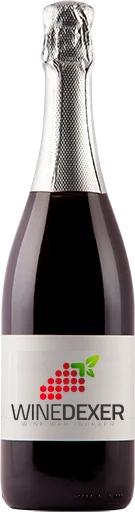
Winery LovettaBarbera d'Asti
 Sparkling wine
This wine generally goes well with pork, poultry or veal.

Food and wine pairings with Barbera d'Asti
Pairings that work perfectly with Barbera d'Asti



Original food and wine pairings with Barbera d'Asti


The Barbera d'Asti of Winery Lovetta matches generally quite well with dishes of pasta, veal or pork such as recipes of succulent and easy to make beef lasagna, veal tagine with carrots or stuffed artichoke.
Details and technical informations about Winery Lovetta's Barbera d'Asti.
Discover the grape variety: Chardonnay
Whites with many faces: mineral and taut at Chablis (lemon, green apple, flint), opulent and buttery at Meursault and Puligny-Montrachet (hazelnut, brioche, yellow fruits), tense and chalky in Champagne (Blanc de Blancs). Also vinified sparkling and widely exported (Sonoma, Margaret River, Casablanca). A Burgundian variety, a cross of Pinot Noir × Gouais Blanc, half-sibling of Aligoté.
Informations about the Winery Lovetta
The Winery Lovetta is one of of the world's greatest estates. It offers 2 wines for sale in the of Emilia to come and discover on site or to buy online.

The wine region of Emilia
Kingdom of Lambrusco, the world's most-drunk sparkling red. Convivial, accessible sparklers from the Grasparossa (the fleshiest and most tannic), Salamino (balanced), Sorbara (pale and floral with red fruits) and Maestri varieties: ruby colour, lively foam, signature notes of cherry, raspberry, violet and flowers, fresh acidity. From dry to off-dry, perfect with Parma and Modena charcuterie. Also aromatic Malvasia and fresh Trebbiano.
The wine region of Emilia-Romagna
Kingdom of Lambrusco: fresh, fruity sparkling reds (blackberry, cherry, violet), from gourmet dry to convivial off-dry, perfect with local charcuterie. World's best-selling sparkling wine on the Emilia side (Sorbara, Grasparossa, Salamino). East, Romagna: supple fruity Sangiovese, Albana (Italy's 1st white DOCG, 1987) ample and almondy. Also red Gutturnio and white Pignoletto.
The word of the wine: Pruine
A thin, fluffy film that covers the surface of the grape. It makes the berry impermeable and contains the indigenous yeasts necessary for the fermentation of the must.