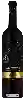
Winery Los FrailesAfter 3 Monastrell Dulce Natural
 Sweet wine



In the mouth this sweet wine is a powerful with a nice balance between acidity and tannins.
This wine generally goes well with beef, game (deer, venison) or lamb.

Taste structure of the After 3 Monastrell Dulce Natural from the Winery Los Frailes
Light | Bold | |
Smooth | Tannic | |
Dry | Sweet | |
Soft | Acidic |
In the mouth the After 3 Monastrell Dulce Natural of Winery Los Frailes in the region of Valence is a powerful with a nice balance between acidity and tannins.


Food and wine pairings with After 3 Monastrell Dulce Natural
Pairings that work perfectly with After 3 Monastrell Dulce Natural



Original food and wine pairings with After 3 Monastrell Dulce Natural

The After 3 Monastrell Dulce Natural of Winery Los Frailes matches generally quite well with dishes of beef, pasta or lamb such as recipes of braised beef with carrots, risotto of coquillettes with chorizo or lamb shoulder confit with harissa.
Details and technical informations about Winery Los Frailes's After 3 Monastrell Dulce Natural.
Discover the grape variety: Klevener de Heiligenstein
Aromatic, refined dry whites with a pale golden colour, a full palate and preserved acidity, showing signature aromas of discreet muscat notes (rose), white flowers, white-fleshed fruits (pear) and delicate spicy notes. A distinctive aromatic profile, more restrained than Gewurztraminer. Preserved under a specific Alsatian appellation around Heiligenstein (Bas-Rhin), producing identity-driven wines. Rare Alsatian white variety, identical to the Jurassian Savagnin Rose.
Last vintages of this wine
The best vintages of After 3 Monastrell Dulce Natural from Winery Los Frailes are 2011, 0, 2009
Informations about the Winery Los Frailes
The Winery Los Frailes is one of of the world's great estates. It offers 29 wines for sale in the of Valence to come and discover on site or to buy online.

The wine region of Valence
Sunny Mediterranean Levant, sun-drenched accessible wines. Monastrell (Mourvèdre) star red in Alicante: fleshy and deep with black fruits, garrigue, leather and spice, firm tannins. Round, fruity Bobal from Utiel-Requena, supple Garnacha, juicy Tempranillo. Fresh whites: light Merseguera, aromatic Moscatel (fresh grape, flowers).
The word of the wine: Grape variety
A type of vine plant and, by extension, the term used to designate the grapes that come from it. The term "table grape" is used to designate the grapes used for consumption, whereas the term "grape variety" is used to designate the wine grapes used to make wine.