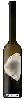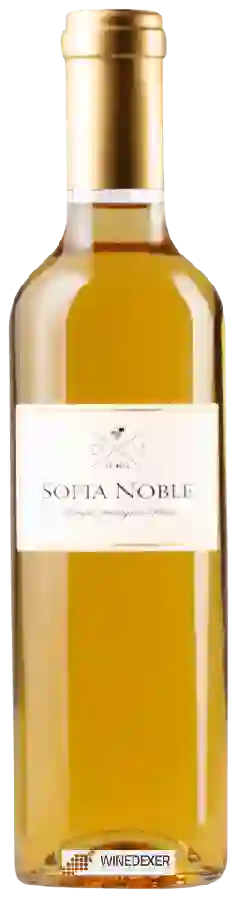
Winery De MoyaSofia Noble
 Sweet wine


This wine generally goes well with vegetarian, rich fish (salmon, tuna etc) or shellfish.
The Sofia Noble of the Winery De Moya is in the top 70 of wines of Valence.

Food and wine pairings with Sofia Noble
Pairings that work perfectly with Sofia Noble



Original food and wine pairings with Sofia Noble
The Sofia Noble of Winery De Moya matches generally quite well with dishes of rich fish (salmon, tuna etc), shellfish or vegetarian such as recipes of endives with smoked salmon au gratin, seafood pie or quiche with leeks and fresh salmon from flo.
Details and technical informations about Winery De Moya's Sofia Noble.
Discover the grape variety: Lucie-kuhlmann
Colourful, fruity reds to drink young, with a sustained ruby colour, moderate tannins and an airy palate, with signature aromas of red and black fruits (cherry, blackberry) and simple notes. Accessible profile for cold climates. Grown mainly in Canada (Quebec, Nova Scotia) and the north-eastern United States for continental cold-climate vineyards. A black hybrid bred in 1911 by Eugène Kuhlmann in Alsace, cold and mildew-resistant.
Last vintages of this wine
The best vintages of Sofia Noble from Winery De Moya are 2015, 0
Informations about the Winery De Moya
The Winery De Moya is one of of the world's greatest estates. It offers 21 wines for sale in the of Valence to come and discover on site or to buy online.

The wine region of Valence
Sunny Mediterranean Levant, sun-drenched accessible wines. Monastrell (Mourvèdre) star red in Alicante: fleshy and deep with black fruits, garrigue, leather and spice, firm tannins. Round, fruity Bobal from Utiel-Requena, supple Garnacha, juicy Tempranillo. Fresh whites: light Merseguera, aromatic Moscatel (fresh grape, flowers).
The word of the wine: Cooked wine
In Provence, wine made from must cooked and reduced over a wood fire, traditionally consumed at Christmas time with the thirteen desserts.