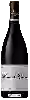
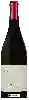
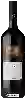
Les Vignobles des Côtes d'AglyMaury Doux Naturel
 Natural sweet wine



This wine generally goes well with beef, lamb or mature and hard cheese.
Food and wine pairings with Maury Doux Naturel
Pairings that work perfectly with Maury Doux Naturel



Original food and wine pairings with Maury Doux Naturel

The Maury Doux Naturel of Les Vignobles des Côtes d'Agly matches generally quite well with dishes of beef, lamb or spicy food such as recipes of chinese fondue, moroccan lamb stew or pad thai.
Details and technical informations about Les Vignobles des Côtes d'Agly's Maury Doux Naturel.
Discover the grape variety: Pinot blanc
Pinot Blanc is a grape variety that originated in Burgundy, mutated from Pinot Gris. Today, it is grown in Alsace where it is called klevner when blended with auxerrois. The continental climate, with its cold winters and hot summers, is particularly suited to pinot blanc. It is resistant to frost in winter and in summer, the roots draw the minerals it needs from the warm soil. Its bunches are made up of small berries with thick skins and melting pulp that produce fruity, spicy wines, balanced between acidity and alcohol. pinot blanc is also used for crémants and sparkling wines. Pinot Blanc is also used for Crémant and sparkling wines. It is widely grown in Italy, where it covers almost 7,000 hectares, and is also found in Germany, Austria, Canada and South Africa.
Informations about the Les Vignobles des Côtes d'Agly
The Les Vignobles des Côtes d'Agly is one of of the world's great estates. It offers 74 wines for sale in the of Maury to come and discover on site or to buy online.

The wine region of Maury
Maury is a town in the northern Roussillon region of southern France. Its name is best known as an appellation for the natural Sweet wines produced around the town, although in 2011 the separate AOC Maury Sec came into effect for Dry red wines, due to the recognition that a local wine industry based entirely on fortified wine was too narrowly focused. The natural sweet wines of Maury are mainly produced from the Grenache grapes (Grenache Noir, Grenache Blanc and Grenache Gris). They are produced in a style very similar to the sweet wines of Banyuls, 35 miles (57km) to the southeast, which also use Grenache.
The wine region of Languedoc-Roussillon
Languedoc (formerly Coteaux du Languedoc) is a key appellation used in the Languedoc-Roussillon wine region of southern France. It covers Dry table wines of all three colors (red, white and rosé) from the entire region, but leaves Sweet and Sparkling wines to other more specialized appellations. About 75% of all Languedoc wines are red, with the remaining 25% split roughly down the middle between whites and rosés. The appellation covers most of the Languedoc region and almost a third of all the vineyards in France.
The word of the wine: Draft liquor
Liqueur composed of sugar dissolved in wine, used for the dosage of sparkling wines made by the traditional method. It is also known as "liqueur d'expédition" or "liqueur de dosage".