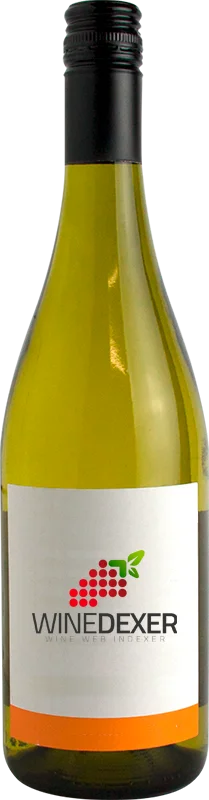
Les Vignerons de Mont Près ChambordCour-Cheverny
 White wine
This wine generally goes well with pork, vegetarian or shellfish.

Food and wine pairings with Cour-Cheverny
Pairings that work perfectly with Cour-Cheverny



Original food and wine pairings with Cour-Cheverny


The Cour-Cheverny of Les Vignerons de Mont Près Chambord matches generally quite well with dishes such as recipes .
Details and technical informations about Les Vignerons de Mont Près Chambord's Cour-Cheverny.
Discover the grape variety: Romorantin
Dry, vivid and structured whites with a golden robe, taut mouthfeel and sharp acidity, with aromas of citrus (lemon, grapefruit), apple, pear, white flowers, honey and pronounced chalky mineral notes. Good ageing potential, gaining wax and dried fruit notes with age. Near-exclusive star of Cour-Cheverny AOC in the Sologne. Very rare autochthonous Loire variety, introduced to the Loire valley by François I in 1519 according to tradition.
Informations about the Les Vignerons de Mont Près Chambord
The Les Vignerons de Mont Près Chambord is one of of the world's great estates. It offers 32 wines for sale in the of Cour-Cheverny to come and discover on site or to buy online.

The wine region of Cour-Cheverny
Single-varietal AOC in the Loire (1993, 70 ha across 11 communes in Loir-et-Cher) dedicated exclusively to Romorantin, introduced by François I in 1519 and grown nowhere else. 95% dry whites, 5% rare sweet wines. Pale yellow in youth turning gold, nose of white flowers, citrus, honey and quince. Vivid mineral palate with iodine character, lemony length and taut finish.
The wine region of Loire Valley
Kingdom of lively, dry whites and fine sparklers. Mineral, taut Sauvignon Blanc (Sancerre, Pouilly-Fumé) with citrus and gunflint notes. Multiform Chenin Blanc (Vouvray, Savennières, Layon): straight dry, floral off-dry or noble sweet honey-quince. Saline, iodised Muscadet (Melon B.
The word of the wine: Pitting (acetic)
Synonymous with acescence.