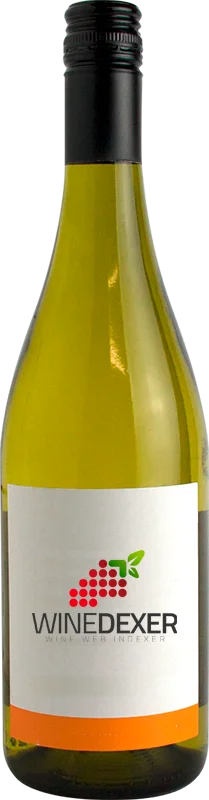
Domaine Philippe TessierLa Porte Dorée
 White wine


This wine is composed of 100% of the grape variety Romorantin.
This wine generally goes well with

Wine flavors and olphactive analysis



On the nose the La Porte Dorée of Domaine Philippe Tessier in the region of Loire Valley often reveals types of flavors of cream, citrus or apples and sometimes also flavors of butter, minerality or pear.
Details and technical informations about Domaine Philippe Tessier's La Porte Dorée.
Discover the grape variety: Romorantin
Dry, vivid and structured whites with a golden robe, taut mouthfeel and sharp acidity, with aromas of citrus (lemon, grapefruit), apple, pear, white flowers, honey and pronounced chalky mineral notes. Good ageing potential, gaining wax and dried fruit notes with age. Near-exclusive star of Cour-Cheverny AOC in the Sologne. Very rare autochthonous Loire variety, introduced to the Loire valley by François I in 1519 according to tradition.
Last vintages of this wine

The best vintages of La Porte Dorée from Domaine Philippe Tessier are 2017, 2015, 2016, 2014 and 2018.
Informations about the Domaine Philippe Tessier
The Domaine Philippe Tessier is one of of the world's greatest estates. It offers 20 wines for sale in the of Cour-Cheverny to come and discover on site or to buy online.

The wine region of Cour-Cheverny
Single-varietal AOC in the Loire (1993, 70 ha across 11 communes in Loir-et-Cher) dedicated exclusively to Romorantin, introduced by François I in 1519 and grown nowhere else. 95% dry whites, 5% rare sweet wines. Pale yellow in youth turning gold, nose of white flowers, citrus, honey and quince. Vivid mineral palate with iodine character, lemony length and taut finish.
The wine region of Loire Valley
Kingdom of lively, dry whites and fine sparklers. Mineral, taut Sauvignon Blanc (Sancerre, Pouilly-Fumé) with citrus and gunflint notes. Multiform Chenin Blanc (Vouvray, Savennières, Layon): straight dry, floral off-dry or noble sweet honey-quince. Saline, iodised Muscadet (Melon B.
The word of the wine: Passerillage
Concentration of the grape by drying out, under the influence of wind or sun, as opposed to botrytisation, which is the concentration obtained by the development of the "noble rot" for which Botrytis cinerea is responsible. The word is mainly used for sweet wines.