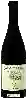
Château Ollieux RomanisLa Parcelle
 Red wine


In the mouth this red wine is a powerful with a nice balance between acidity and tannins.
This wine generally goes well with beef, veal or pasta.

Taste structure of the La Parcelle from the Château Ollieux Romanis
Light | Bold | |
Smooth | Tannic | |
Dry | Sweet | |
Soft | Acidic |
In the mouth the La Parcelle of Château Ollieux Romanis in the region of Languedoc-Roussillon is a powerful with a nice balance between acidity and tannins.
Food and wine pairings with La Parcelle
Pairings that work perfectly with La Parcelle



Original food and wine pairings with La Parcelle
The La Parcelle of Château Ollieux Romanis matches generally quite well with dishes of beef, pasta or veal such as recipes of borscht (russia), very simple spaghetti carbonara or veal with cream and mushrooms.
Details and technical informations about Château Ollieux Romanis's La Parcelle.
Discover the grape variety: Aubin
Simple, fresh dry whites with a pale golden hue, a supple palate with moderate acidity and discreet aromas of citrus and white flowers. Discreet Lorraine profile. Sensitive to powdery mildew and close to extinction, preserved by growers of the Côtes-de-Toul AOC and part of the Lorraine wine heritage, contributing to limited identity cuvées. White Lorraine autochthonous variety, a cross of Pinot Noir × Gouais Blanc.
Last vintages of this wine
The best vintages of La Parcelle from Château Ollieux Romanis are 2014
Informations about the Château Ollieux Romanis
The Château Ollieux Romanis is one of of the world's great estates. It offers 51 wines for sale in the of Languedoc-Roussillon to come and discover on site or to buy online.

The wine region of Languedoc-Roussillon
Largest single French vineyard, dominated by sunny, generous reds. Spicy Syrah, candied Grenache (ripe fruit, garrigue), structured Carignan, deep Mourvèdre, supple Cinsault. Stars: structured Corbières, Minervois, Faugères, Saint-Chinian; round Côtes-du-Roussillon. Legendary vins doux naturels: Banyuls and Maury (fortified Grenache) with notes of cocoa, fig, prune.
The word of the wine: Feedback
Perception of the aromas in the mouth by the retro-nasal way.