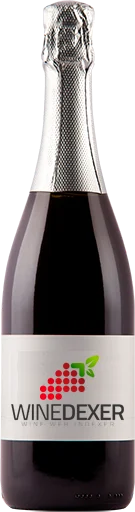
Winery Olivi Le BucheZelia Brut Rosé
 Sparkling wine


This wine generally goes well with beef, lamb or mature and hard cheese.

Food and wine pairings with Zelia Brut Rosé
Pairings that work perfectly with Zelia Brut Rosé



Original food and wine pairings with Zelia Brut Rosé

The Zelia Brut Rosé of Winery Olivi Le Buche matches generally quite well with dishes of beef, lamb or spicy food such as recipes of fast and, lamb tagine with apricots or risotto milanese.
Details and technical informations about Winery Olivi Le Buche's Zelia Brut Rosé.
Discover the grape variety: Bouquettraube
Aromatic sweet and off-dry whites with a pale golden robe, a fragrant and fresh palate with preserved acidity, intense signature musky aromas (fresh grapes, rose), white flowers and spiced notes. Seductive aromatic profile. Grown on small surfaces in Germany and South Africa, mainly serves for aromatic sweet and off-dry whites. German white grape obtained in 1928 in Alzey by Georg Scheu, a crossing of Silvaner x Portugieser.
Last vintages of this wine
The best vintages of Zelia Brut Rosé from Winery Olivi Le Buche are 0
Informations about the Winery Olivi Le Buche
The Winery Olivi Le Buche is one of of the world's great estates. It offers 17 wines for sale in the of Tuscany to come and discover on site or to buy online.

The wine region of Tuscany
Kingdom of Sangiovese: upright reds with cherry, plum, dried herbs and leather, lively acidity and firm tannins. Fleshy, food-friendly Chianti Classico DOCG, deep long-ageing Brunello di Montalcino (spice, tobacco, ripe black fruit), elegant Vino Nobile di Montepulciano. On the coast, Bolgheri crafts the opulent Cabernet- and Merlot-based 'Super Tuscans'. Some fresh white Vernaccia.
The word of the wine: Tartar (deposit)
White, chalky deposits that occur as a result of precipitation inside bottles and are often considered by consumers as a defect. They are in fact tartaric salts formed by tartaric acid, potassium and calcium naturally present in the wine. This deposit does not alter the quality of the wine and can be eliminated by a simple decanting.





