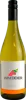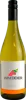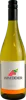
Winery Lawrence DunhamSky Island Viognier
 White wine



This wine generally goes well with pork, poultry or game (deer, venison).

Food and wine pairings with Sky Island Viognier
Pairings that work perfectly with Sky Island Viognier



Original food and wine pairings with Sky Island Viognier



The Sky Island Viognier of Winery Lawrence Dunham matches generally quite well with dishes of pork, game (deer, venison) or shellfish such as recipes of ham croquette with purée, duck breast with goat cheese and local ham or chinese fondue.
Details and technical informations about Winery Lawrence Dunham's Sky Island Viognier.
Discover the grape variety: Viognier
Opulent, heady whites, rich and silky, with intense aromas of apricot, yellow peach, mango, violet, honeysuckle and musky, honeyed notes. Discreet acidity, creamy finish. Star of Condrieu AOC and Château-Grillet AOC, co-vinified in Côte-Rôtie with Syrah (up to 20%). Widely exported to California (Central Coast), Australia (Eden Valley) and Languedoc. A Rhône variety.
Last vintages of this wine
The best vintages of Sky Island Viognier from Winery Lawrence Dunham are 0, 2015
Informations about the Winery Lawrence Dunham
The Winery Lawrence Dunham is one of of the world's greatest estates. It offers 14 wines for sale in the of Arizona to come and discover on site or to buy online.

The wine region of Arizona
Emerging US Southwest state, high-altitude vineyards (1,370-1,580 m) on volcanic soils. Rhone and Mediterranean grapes are the stars: signature Syrah (blackberry, pepper, olive, violet, round tannins), fruity Grenache, dense sun-drenched Mourvedre. Also spicy Tempranillo and fruity Sangiovese. Aromatic Viognier (apricot, flowers) and deeply coloured Petite Sirah in whites.
The word of the wine: Caudalie
Unit of measurement corresponding to one second and allowing to quantify the aromatic persistence of a wine in mouth (length in mouth).