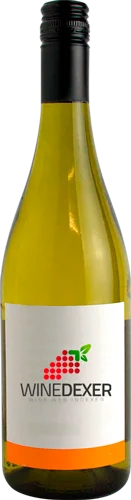
The Winery Klabjan of Primorje

The Winery Klabjan is one of the best wineries to follow in Primorje.. It offers 4 wines for sale in of Primorje to come and discover on site or to buy online.

Looking for the best Winery Klabjan wines in Primorje among all the wines in the region? Check out our tops of the best red, white or effervescent Winery Klabjan wines. Also find some food and wine pairings that may be suitable with the wines from this area. Learn more about the region and the Winery Klabjan wines with technical and enological descriptions.
How Winery Klabjan wines pair with each other generally quite well with dishes such as recipes .
On the nose the white wine of Winery Klabjan. often reveals types of flavors of non oak, earth or microbio and sometimes also flavors of oak, tree fruit or spices.
The wine region of Primorje of Slovenia. Wineries and vineyards like the Domaine Batič or the Domaine Aci Urbajs produce mainly wines white, red and sparkling. The most planted grape varieties in the region of Primorje are Cabernet-Sauvignon, Merlot and Chardonnay, they are then used in wines in blends or as a single variety. On the nose of Primorje often reveals types of flavors of tropical, apricot or plum and sometimes also flavors of pepper, black fruits or chocolate.
We currently count 91 estates and châteaux in the of Primorje, producing 258 different wines in conventional, organic and biodynamic agriculture. The wines of Primorje go well with generally quite well with dishes of beef, lamb or pork.
How Winery Klabjan wines pair with each other generally quite well with dishes such as recipes .
On the nose the red wine of Winery Klabjan. often reveals types of flavors of non oak, earth or oak and sometimes also flavors of black fruit, vegetal or spices.
Planning a wine route in the of Primorje? Here are the wineries to visit and the winemakers to meet during your trip in search of wines similar to Winery Klabjan.
The sylvaner is grown mainly in Germany and Alsace. The buds are somewhat cottony and the young leaves are green. The same applies to the ribbed branches. Once mature, the dominant colour is golden-green and small elliptical berries with small to medium-sized bunches can be seen. The ripe fruit is then adorned by five-lobed leaves. This variety is susceptible to chlorosis, gray mold, powdery mildew and mildew. It is also sensitive to frost and wind because of its long branches. It can be grown in any kind of soil, although it prefers stony, sandy and light soils. It is indeed moderately acidic and offers a complex set of aromas such as bitter almond, fruity and floral background. The taste has an excellent mixture of honey and candied or dried fruits.