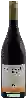
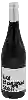
Winery Kiwi CuvéePinot Noir
 Red wine


This wine is composed of 100% of the grape variety Pinot Noir.
This wine generally goes well with pork, poultry or veal.

Wine flavors and olphactive analysis




On the nose the Pinot Noir of Winery Kiwi Cuvée in the region of Vin de France often reveals types of flavors of earth, oak.
Food and wine pairings with Pinot Noir
Pairings that work perfectly with Pinot Noir



Original food and wine pairings with Pinot Noir


The Pinot Noir of Winery Kiwi Cuvée matches generally quite well with dishes of veal, pork or game (deer, venison) such as recipes of stuffed red mullet ballotines, gloom and doom or duck legs with green olives.
Details and technical informations about Winery Kiwi Cuvée's Pinot Noir.
Discover the grape variety: Pinot noir
Elegant reds, light in colour with silky tannins, showing strawberry, cherry and raspberry aromas, evolving to forest floor, mushroom and spice with age. Fresh acidity, delicate finish. Star of the Côte d'Or (Romanée-Conti, Chambertin, Volnay), pillar of Champagne (Blanc de Noirs) and signature of Oregon, Central Otago and Sonoma Coast. An early-ripening Burgundian variety, one of the world's greatest.
Last vintages of this wine
The best vintages of Pinot Noir from Winery Kiwi Cuvée are 2011, 2010, 2012
Informations about the Winery Kiwi Cuvée
The Winery Kiwi Cuvée is one of of the world's great estates. It offers 20 wines for sale in the of Vin de France to come and discover on site or to buy online.

The wine region of Vin de France
The freest category of French wine, the playground of winemakers working outside the AOC. All styles combined: fruity reds, lively or ambitious whites, everyday rosés, unusual blends, natural wines, atypical grapes (Petit Manseng in Languedoc, Riesling in Provence), experimental winemaking (skin-contact whites, no sulphur). Grape and vintage labelling allowed, no geographic constraint. From the pop, convivial cuvée to the artisan gem: freedom in a bottle.
The word of the wine: Second fermentation
In the making of champagne, fermentation of the base wine to which is added the liqueur de tirage and which takes place in the bottle. This second fermentation produces the carbon dioxide, and therefore the bubbles that make up the effervescence of the wine.