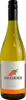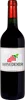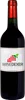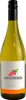
Winery Karel PrusaCabernet Sauvignon Pozdní Sběr
 Red wine
This wine generally goes well with poultry, beef or lamb.

Food and wine pairings with Cabernet Sauvignon Pozdní Sběr
Pairings that work perfectly with Cabernet Sauvignon Pozdní Sběr



Original food and wine pairings with Cabernet Sauvignon Pozdní Sběr

The Cabernet Sauvignon Pozdní Sběr of Winery Karel Prusa matches generally quite well with dishes of beef, lamb or spicy food such as recipes of beef tongue with mushrooms, risotto of penne with chorizo and merguez or sheep's feet with mountain honey.
Details and technical informations about Winery Karel Prusa's Cabernet Sauvignon Pozdní Sběr.
Discover the grape variety: Cabernet-Sauvignon
Structured, tannic reds, deeply coloured, with aromas of blackcurrant, blackberry, cedar, tobacco and graphite, underpinned by firm acidity and fine ageing potential. Cornerstone of the great Médoc estates (Pauillac, Saint-Estèphe, Saint-Julien) and signature of Napa Valley, Coonawarra and Maipo. The world's most planted red variety, a natural cross of Cabernet Franc x Sauvignon Blanc born in Bordeaux.
Informations about the Winery Karel Prusa
The Winery Karel Prusa is one of of the world's great estates. It offers 12 wines for sale in the of Velkopavlovicka to come and discover on site or to buy online.

The wine region of Velkopavlovicka
Wine sub-region of South Moravia (Czech Republic), 5,200 ha, the heart of Czech reds. Signature Frankovka (Blaufrankisch): aromatic ruby reds with signature notes of black cherry, blackberry, black pepper, spice and a balsamic touch, supple tannins and fresh acidity — fleshy, generous wines. Also fruity Svatovavrinecke (Saint Laurent), light Modry Portugal. Peppery Veltlinske zelene whites, round Pinot Gris, taut Riesling.
The wine region of Jihomoravsky
Major Czech wine region in South Moravia (~96% of the country's vineyards, sub-regions Znojmo, Mikulov, Velké Pavlovice, Slovácko), Alsace latitude, humid continental climate. Grüner Veltliner flagship white: dry and spicy with green apple, citrus, white pepper and herbal touch, tense thirst-quenching acidity. Aromatic Müller-Thurgau, tense Riesling and Pinot Blanc in whites. Fruity Saint-Laurent, peppery Frankovka and supple Zweigelt in reds.
The word of the wine: VDN
Natural sweet wine. Wine obtained by mutage of the must during fermentation by adding over-finished alcohol at 96 °, produced in the vineyards of Roussillon, Languedoc, Rhone Valley and Corsica.