The Winery Jean-Paul Durand of Loire Valley
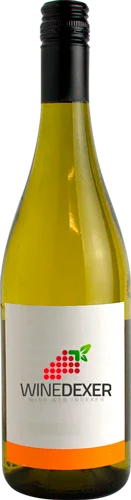
Winery Jean-Paul Durand
The winery offers 6 different wines
3.3


Note - 1Note - 1Note - 1Note - 0Note - 0
Its wines get an average rating of 3.3.
It is ranked in the top 8485 of the estates of Loire Valley.
It is located in Loire Valley

The Winery Jean-Paul Durand is one of the best wineries to follow in Vallée de la Loire.. It offers 6 wines for sale in of Loire Valley to come and discover on site or to buy online.
Top Winery Jean-Paul Durand wines

Looking for the best Winery Jean-Paul Durand wines in Loire Valley among all the wines in the region? Check out our tops of the best red, white or effervescent Winery Jean-Paul Durand wines. Also find some food and wine pairings that may be suitable with the wines from this area. Learn more about the region and the Winery Jean-Paul Durand wines with technical and enological descriptions.

The top white wines of Winery Jean-Paul Durand

Food and wine pairings with a white wine of Winery Jean-Paul Durand

How Winery Jean-Paul Durand wines pair with each other generally quite well with dishes of shellfish, appetizers and snacks or lean fish such as recipes of marinated mussels with maroilles, basil and cherry tomato clafoutis or sole fillets with shrimp and curry.

Organoleptic analysis of white wines of Winery Jean-Paul Durand

In the mouth the white wine of Winery Jean-Paul Durand. is a with a nice freshness.

The best vintages in the white wines of Winery Jean-Paul Durand

  • 2018With an average score of 3.40/5
  • 2019With an average score of 3.30/5
  • 0With an average score of 3.30/5
  • 2017With an average score of 3.20/5
  • 2020With an average score of 3.00/5

The grape varieties most used in the white wines of Winery Jean-Paul Durand.

  • Muscat Blanc
  • Sauvignon Gris
  • Melon de Bourgogne

Discovering the wine region of Loire Valley

The Loire Valley is a key wine region in western France. It follows the course of the Loire River on its Long journey through the heart of France, from the inland hills of the Auvergne to the plains of the French Atlantic coast near Nantes (Muscadet country). Important in terms of quantity and quality, the region produces large quantities (about 4 million h/l each year) of everyday wines, as well as some of France's greatest wines. Diversity is another of the region's major assets; the styles of wine produced here range from the light, tangy Muscadet to the Sweet, honeyed Bonnezeaux, the Sparkling whites of Vouvray and the juicy, Tannic reds of Chinon and Saumur.

It's quite telling that this brief overview of the region's wines doesn't even mention the Loire Valley's two most famous wines - Sancerre and Pouilly-Fume. White wines are clearly the strong point of the Loire Valley and represent the vast majority of production. A significant proportion of these are produced under PGI appellations, most commonly the IGP Loire (formerly Vin de Pays du Jardin de la France), which covers the whole region. The main white Grape varieties used for the production of white wines in the Loire Valley are Sauvignon Blanc, Chenin Blanc, Melon de Bourgogne and, more popular than the traditional, Chardonnay.

Discover other wineries and winemakers neighboring the Winery Jean-Paul Durand

Planning a wine route in the of Loire Valley? Here are the wineries to visit and the winemakers to meet during your trip in search of wines similar to Winery Jean-Paul Durand.

Discover the grape variety: White muscat

White muscat is a white grape variety of Greek origin. Present in several Mediterranean vineyards, it has several synonyms such as muscat de Die, muscat blanc and frontignac. In France, it occupies a little less than 7,000 ha out of a total of 45,000 ha worldwide. Its young shoots are downy. Its youngest leaves are shiny, bronzed and scabrous. The berries and bunches of this variety are all medium-sized. The flesh of the berries is juicy, sweet and firm. Muscat à petits grains has a second ripening period and buds early in the year. It is moderately vigorous and must be pruned short. It likes poor, stony slopes. This variety is often exposed to spring frosts. It fears mildew, wasps, grape worms, court-noué, grey rot and powdery mildew. Muscat à petits grains is used to make rosé wines and dry white wines. Orange, brown sugar, barley sugar and raisins are the known aromas of these wines.