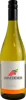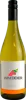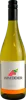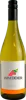
Winery J.StavekJuveano Mistelle de Muscat
 Natural sweet wine


This wine generally goes well with spicy food and sweet desserts.

Wine flavors and olphactive analysis

On the nose the Juveano Mistelle de Muscat of Winery J.Stavek in the region of Jihomoravsky often reveals types of flavors of red fruit.
Food and wine pairings with Juveano Mistelle de Muscat
Pairings that work perfectly with Juveano Mistelle de Muscat


Original food and wine pairings with Juveano Mistelle de Muscat
The Juveano Mistelle de Muscat of Winery J.Stavek matches generally quite well with dishes of spicy food or sweet desserts such as recipes of white beans with tomato (italy) or chocolate mug cake.
Details and technical informations about Winery J.Stavek's Juveano Mistelle de Muscat.
Discover the grape variety: Mourvaison noir
Light, fruity reds with a clear ruby robe, smooth tannins and an airy palate, showing signature aromas of red fruits (cherry, strawberry), garrigue and Mediterranean notes. Confidential heritage profile. Now nearly extinct, preserved in the ampelographic collections at Vassal estate (INRAE), it reflects the historical diversity of the Provençal vineyard. Provençal autochtone black variety, formerly grown in south-eastern France.
Last vintages of this wine
The best vintages of Juveano Mistelle de Muscat from Winery J.Stavek are 0
Informations about the Winery J.Stavek
The Winery J.Stavek is one of of the world's greatest estates. It offers 29 wines for sale in the of Velkopavlovicka to come and discover on site or to buy online.

The wine region of Velkopavlovicka
Wine sub-region of South Moravia (Czech Republic), 5,200 ha, the heart of Czech reds. Signature Frankovka (Blaufrankisch): aromatic ruby reds with signature notes of black cherry, blackberry, black pepper, spice and a balsamic touch, supple tannins and fresh acidity — fleshy, generous wines. Also fruity Svatovavrinecke (Saint Laurent), light Modry Portugal. Peppery Veltlinske zelene whites, round Pinot Gris, taut Riesling.
The wine region of Jihomoravsky
Major Czech wine region in South Moravia (~96% of the country's vineyards, sub-regions Znojmo, Mikulov, Velké Pavlovice, Slovácko), Alsace latitude, humid continental climate. Grüner Veltliner flagship white: dry and spicy with green apple, citrus, white pepper and herbal touch, tense thirst-quenching acidity. Aromatic Müller-Thurgau, tense Riesling and Pinot Blanc in whites. Fruity Saint-Laurent, peppery Frankovka and supple Zweigelt in reds.
The word of the wine: Amylic
Aroma reminiscent of banana, candy, and sometimes nail polish, particularly present in primeur wines. The amylic taste is reminiscent of the aromas of industrial confectionery and does not reflect a great expression of terroir.