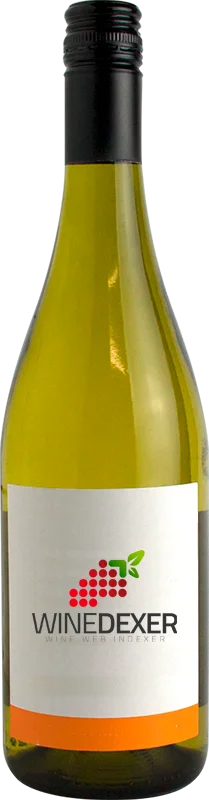
Winery CellaroSolea Grillo
 White wine



In the mouth this white wine is a powerful.
This wine generally goes well with vegetarian, appetizers and snacks or shellfish.

Taste structure of the Solea Grillo from the Winery Cellaro
Light | Bold | |
Dry | Sweet | |
Soft | Acidic |
In the mouth the Solea Grillo of Winery Cellaro in the region of Sicily is a powerful.
Food and wine pairings with Solea Grillo
Pairings that work perfectly with Solea Grillo



Original food and wine pairings with Solea Grillo
The Solea Grillo of Winery Cellaro matches generally quite well with dishes of shellfish, vegetarian or appetizers and snacks such as recipes of shrimps with curry and coconut milk, leek, goat cheese and bacon quiche or fake foie gras.
Details and technical informations about Winery Cellaro's Solea Grillo.
Discover the grape variety: Grillo
Structured, aromatic whites with ample mouth and fresh acidity, featuring aromas of ripe citrus, yellow peach, exotic fruits, white flowers, Mediterranean herbs and marine saline notes. Tonic finish. A historic key component of Marsala DOC and star of the modern Sicilian dry white revival (Sicilia DOC). Native Sicilian grape, a natural cross of Catarratto × Moscato d'Alessandria.
Last vintages of this wine
The best vintages of Solea Grillo from Winery Cellaro are 0
Informations about the Winery Cellaro
The Winery Cellaro is one of of the world's great estates. It offers 41 wines for sale in the of Sicily to come and discover on site or to buy online.

The wine region of Sicily
Major qualitative renewal. Sunny, expressive reds: fleshy, spicy Nero d'Avola (black cherry, blackberry, liquorice), fine, mineral Nerello Mascalese on Etna (recalls Pinot Noir), light, crisp Frappato in Cerasuolo di Vittoria DOCG. Lively, saline whites: Catarratto, fat, iodised Grillo, taut Carricante, floral Inzolia. Amber, walnutty fortified Marsala.
The word of the wine: Deposit
Solid particles that can naturally coat the bottom of a bottle of wine. It is rather a guarantee that the wine has not been mistreated: in fact, to avoid the natural deposit, rather violent processes of filtration or cold passage (- 7 or - 8 °C) are used in order to precipitate the tartar (the small white crystals that some people confuse with crystallized sugar: just taste to dissuade you from it)