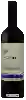
Winery Cascina RoeraBarbera d'Asti Superiore Vigna San Martino
 Red wine


In the mouth this red wine is a powerful with a nice freshness.
This wine generally goes well with pork, poultry or veal.
The Barbera d'Asti Superiore Vigna San Martino of the Winery Cascina Roera is in the top 90 of wines of Barbera d'Asti.

Taste structure of the Barbera d'Asti Superiore Vigna San Martino from the Winery Cascina Roera
Light | Bold | |
Smooth | Tannic | |
Dry | Sweet | |
Soft | Acidic |
In the mouth the Barbera d'Asti Superiore Vigna San Martino of Winery Cascina Roera in the region of Piedmont is a powerful with a nice freshness.
Wine flavors and olphactive analysis





On the nose the Barbera d'Asti Superiore Vigna San Martino of Winery Cascina Roera in the region of Piedmont often reveals types of flavors of non oak, earth or microbio and sometimes also flavors of oak, spices or red fruit.
Food and wine pairings with Barbera d'Asti Superiore Vigna San Martino
Pairings that work perfectly with Barbera d'Asti Superiore Vigna San Martino



Original food and wine pairings with Barbera d'Asti Superiore Vigna San Martino


The Barbera d'Asti Superiore Vigna San Martino of Winery Cascina Roera matches generally quite well with dishes of pasta, veal or pork such as recipes of the corsican soup, veal roast casserole with mushrooms or pizza calzone with ham and mushrooms.
Details and technical informations about Winery Cascina Roera's Barbera d'Asti Superiore Vigna San Martino.
Discover the grape variety: Monarch
Colourful, structured reds with a deep purple colour, firm tannins and a dense palate, showing signature aromas of black fruits (blackberry, blackcurrant), plum, spices and balsamic notes. Modern disease-resistant profile. Grown in Germany, Switzerland, Belgium and the UK for organic and northern vineyards, part of the new generation of disease-resistant varieties. German black hybrid variety obtained in Freiburg.
Last vintages of this wine

The best vintages of Barbera d'Asti Superiore Vigna San Martino from Winery Cascina Roera are 2017, 2015, 2016, 2013 and 2011.
Informations about the Winery Cascina Roera
The Winery Cascina Roera is one of of the world's greatest estates. It offers 22 wines for sale in the of Barbera d'Asti to come and discover on site or to buy online.

The wine region of Barbera d'Asti
Apogee of Piedmont Barbera: a gourmet, vibrant red with signature notes of ripe cherry, raspberry, plum and violet, characteristic fresh acidity and supple tannins that make it immediately drinkable. A direct, everyday Italian style, perfect with charcuterie and pasta. Fleshier Superiore versions (14 months ageing) with liquorice and dark chocolate notes, and Nizza DOCG at the summit. 6,000 ha of clay-limestone hills between Asti and Alessandria.
The wine region of Piedmont
Kingdom of Nebbiolo: Barolo and Barbaresco DOCG, long-ageing reds with firm tannins and lively acidity, complex aromas of withered rose, sour cherry, tar, truffle and undergrowth. More accessible, tangy Barbera on red fruit, supple, crisp Dolcetto. Sweet, floral sparkling Moscato d'Asti, mineral, lemony Gavi (Cortese) white, round, almondy Arneis from Roero. 50,000 ha across the Langhe, Roero and Monferrato, UNESCO.
The word of the wine: Full-bodied
A rich, concentrated wine that offers consistency in the mouth.