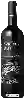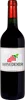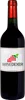
Winery Institut Agricole RégionalVin des Chanoines
 Red wine



In the mouth this red wine is a powerful with a nice balance between acidity and tannins.
This wine generally goes well with beef, game (deer, venison) or lamb.

Taste structure of the Vin des Chanoines from the Winery Institut Agricole Régional
Light | Bold | |
Smooth | Tannic | |
Dry | Sweet | |
Soft | Acidic |
In the mouth the Vin des Chanoines of Winery Institut Agricole Régional in the region of Valle d'Aosta is a powerful with a nice balance between acidity and tannins.
Wine flavors and olphactive analysis


On the nose the Vin des Chanoines of Winery Institut Agricole Régional in the region of Valle d'Aosta often reveals types of flavors of earth, red fruit.
Food and wine pairings with Vin des Chanoines
Pairings that work perfectly with Vin des Chanoines



Original food and wine pairings with Vin des Chanoines

The Vin des Chanoines of Winery Institut Agricole Régional matches generally quite well with dishes of beef, pasta or lamb such as recipes of quick beef bourguignon, pasta with ham and tomato or tomatoes, zucchini, potatoes stuffed moroccan style with....
Details and technical informations about Winery Institut Agricole Régional's Vin des Chanoines.
Discover the grape variety: Fernao Pires
Aromatic and lively whites with a tender palate and fresh acidity, on intense aromas of white flowers (orange blossom, acacia), citrus, white peach, muscat and spiced notes. Made as dry whites, popular off-dry styles and in sparkling wines from Bairrada. Also called Maria Gomes in Bairrada DOC. Widely grown in Ribatejo, Tejo DOC and Lisboa, one of Portugal's most planted white grapes. Native Portuguese variety.
Last vintages of this wine
The best vintages of Vin des Chanoines from Winery Institut Agricole Régional are 2016, 0, 2006
Informations about the Winery Institut Agricole Régional
The Winery Institut Agricole Régional is one of of the world's great estates. It offers 27 wines for sale in the of Valle d'Aosta to come and discover on site or to buy online.

The wine region of Valle d'Aosta
Italy's smallest vineyard (~500 ha) between Mont Blanc and Canavese, among Europe's highest vines (up to 1,200 m at Morgex). Native Petit Rouge signature: fine, fresh reds with signature notes of raspberry, violet, alpine herbs, sweet spices and a mineral touch, silky tannins. Local Cornalin, Fumin and Mayolet complete. Firm Nebbiolo (Picotendro), light Gamay.
The word of the wine: Deposit
Solid particles that can naturally coat the bottom of a bottle of wine. It is rather a guarantee that the wine has not been mistreated: in fact, to avoid the natural deposit, rather violent processes of filtration or cold passage (- 7 or - 8 °C) are used in order to precipitate the tartar (the small white crystals that some people confuse with crystallized sugar: just taste to dissuade you from it)