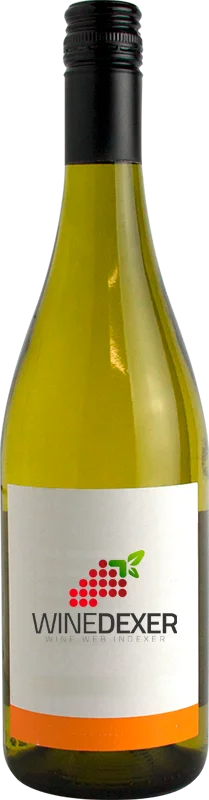
Winery Huggy wine - Yasuki HagiharaMineral Koshu
 White wine


In the mouth this white wine is a .
This wine generally goes well with lean fish and shellfish.
Taste structure of the Mineral Koshu from the Winery Huggy wine - Yasuki Hagihara
Light | Bold | |
Dry | Sweet | |
Soft | Acidic |
In the mouth the Mineral Koshu of Winery Huggy wine - Yasuki Hagihara in the region of Nagano-ken is a .
Food and wine pairings with Mineral Koshu
Pairings that work perfectly with Mineral Koshu


Original food and wine pairings with Mineral Koshu
The Mineral Koshu of Winery Huggy wine - Yasuki Hagihara matches generally quite well with dishes of shellfish or lean fish such as recipes of scallops with cream or haddock with potatoes.
Details and technical informations about Winery Huggy wine - Yasuki Hagihara's Mineral Koshu.
Discover the grape variety: Koshu
One of the oldest varieties cultivated in Japan, generally in arbors/pergolas, most often used as a table grape and recently vinified and associated with other varieties. It is a Vitis vinifera also known in Australia, New Zealand, Germany, the United States... practically unknown in France.
Last vintages of this wine
The best vintages of Mineral Koshu from Winery Huggy wine - Yasuki Hagihara are 0, 2018
Informations about the Winery Huggy wine - Yasuki Hagihara
The Winery Huggy wine - Yasuki Hagihara is one of of the world's great estates. It offers 44 wines for sale in the of Nagano-ken to come and discover on site or to buy online.

The wine region of Nagano-ken
Junmai (pure sake) literally translates to "pure rice". It is a high-quality class of sake, a rice-based Alcoholic beverage that is an intricate Part of Japanese culture. In order to be classified as Junmai sake, the beverage must be made with only rice, water, and koji, the mold that triggers Fermentation. Sake can be found in a variety of types and styles, each with its own Organoleptic properties.
The word of the wine: Slim
A thin wine, lacking flesh and body.