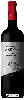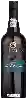
Winery Herdade das ServasGarrafeira
 Red wine


In the mouth this red wine is a powerful with a lot of tannins present in the mouth.
This wine generally goes well with poultry, beef or veal.

Taste structure of the Garrafeira from the Winery Herdade das Servas
Light | Bold | |
Smooth | Tannic | |
Dry | Sweet | |
Soft | Acidic |
In the mouth the Garrafeira of Winery Herdade das Servas in the region of Alentejano is a powerful with a lot of tannins present in the mouth.
Food and wine pairings with Garrafeira
Pairings that work perfectly with Garrafeira



Original food and wine pairings with Garrafeira

The Garrafeira of Winery Herdade das Servas matches generally quite well with dishes of beef, lamb or veal such as recipes of beef stew provencal style, lamb with vermicelli or chicken breast with curry and mushrooms.
Details and technical informations about Winery Herdade das Servas's Garrafeira.
Discover the grape variety: Pinot
An iconic family with varied profiles: fine, silky age-worthy reds (Pinot Noir) with cherry, raspberry and undergrowth aromas; lively mineral whites (Pinot Blanc/Weißburgunder); round spicy whites (Pinot Gris/Grauburgunder); fruity Champagne bases (Pinot Meunier/Spätburgunder). Stars of Burgundy, Alsace, Champagne, Germany and the New World. All mutations of a common Burgundian ancestor, among the world's greatest varieties.
Last vintages of this wine
The best vintages of Garrafeira from Winery Herdade das Servas are 2010, 0
Informations about the Winery Herdade das Servas
The Winery Herdade das Servas is one of of the world's great estates. It offers 33 wines for sale in the of Alentejano to come and discover on site or to buy online.

The wine region of Alentejano
Star of southern Portugal's great reds, sunny and opulent wines. Typical blends: round fruity Aragonez (Tempranillo), spicy Trincadeira, Touriga Nacional (black fruits, violet), deep teinturier Alicante Bouschet, juicy Castelão. Fleshy reds with notes of plum, black cherry, cocoa and sweet spices, melted tannins. Ample fresh Antão Vaz and Arinto whites.
The word of the wine: Malolactic fermentation
Called second fermentation or malo for short. It is the degradation (under the effect of bacteria) of the malic acid naturally present in the wine into milder, less aggressive lactic acid. Some producers or wineries refuse this operation by "blocking the malo" (by cold and adding SO2) to keep a maximum of acidity which carries the aromas and accentuates the sensation of freshness.