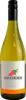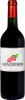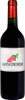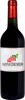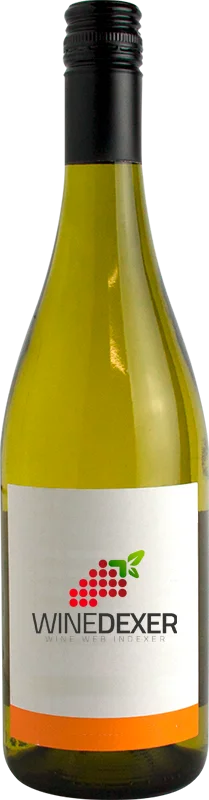
Winery MingorraMonte do Cabação Branco
 White wine



In the mouth this white wine is a .
This wine generally goes well with pork, lean fish or shellfish.

Taste structure of the Monte do Cabação Branco from the Winery Mingorra
Light | Bold | |
Dry | Sweet | |
Soft | Acidic |
In the mouth the Monte do Cabação Branco of Winery Mingorra in the region of Alentejano is a .
Food and wine pairings with Monte do Cabação Branco
Pairings that work perfectly with Monte do Cabação Branco



Original food and wine pairings with Monte do Cabação Branco

The Monte do Cabação Branco of Winery Mingorra matches generally quite well with dishes of pasta, pork or shellfish such as recipes of spaghetti cacio e pepe, gloom and doom or blanquette of monkfish and scallops.
Details and technical informations about Winery Mingorra's Monte do Cabação Branco.
Discover the grape variety: Chelois
Colored, fruity reds with an intense ruby robe, smooth tannins and a supple palate, with simple aromas of red fruits (cherry, raspberry), soft spices and lightly foxy hybrid notes. Productive profile for early drinking. Now marginal in France, grown mainly in Canada (Ontario, Quebec) and the north-eastern United States for harsh continental climates. French black hybrid created around 1920 by Albert Seibel (Seibel 10878).
Last vintages of this wine
The best vintages of Monte do Cabação Branco from Winery Mingorra are 0
Informations about the Winery Mingorra
The Winery Mingorra is one of of the world's great estates. It offers 37 wines for sale in the of Alentejano to come and discover on site or to buy online.

The wine region of Alentejano
Star of southern Portugal's great reds, sunny and opulent wines. Typical blends: round fruity Aragonez (Tempranillo), spicy Trincadeira, Touriga Nacional (black fruits, violet), deep teinturier Alicante Bouschet, juicy Castelão. Fleshy reds with notes of plum, black cherry, cocoa and sweet spices, melted tannins. Ample fresh Antão Vaz and Arinto whites.
The word of the wine: Phylloxera
Aphid that came from America and ravaged European vineyards at the end of the 19th century. It lives on the roots of the vine, from which it pumps the sap. The only vines capable of resisting it had to be imported from the United States, and then grafted onto their root system the wood of traditional French grape varieties. Today, grafted vines are always planted.