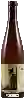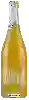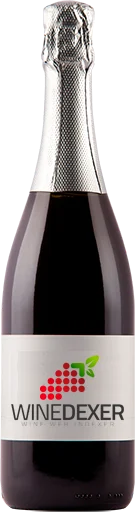
Winery HembergerPet Nat
 Sparkling wine



This wine generally goes well with poultry, lean fish or shellfish.
Wine flavors and olphactive analysis




On the nose the Pet Nat of Winery Hemberger in the region of Franken often reveals types of flavors of non oak, earth or microbio and sometimes also flavors of oak, tree fruit or citrus fruit.
Food and wine pairings with Pet Nat
Pairings that work perfectly with Pet Nat



Original food and wine pairings with Pet Nat


The Pet Nat of Winery Hemberger matches generally quite well with dishes of shellfish, spicy food or poultry such as recipes of shrimp with cream and fettuccine, cambodian amok or roast turkey in the oven.
Details and technical informations about Winery Hemberger's Pet Nat.
Discover the grape variety: Avana
Very old grape variety cultivated in northern Italy in the Piedmont region. It would have been introduced in Savoy at the beginning of the 17th century. An A.D.N. study, dating from 2011, shows that Hibou noir and Avana are one and the same variety. It should also be noted that Amigne is its half-sister, Rèze its grandmother and Rouge du Pays (a variety from the Swiss Valais) its grandfather.
Last vintages of this wine
The best vintages of Pet Nat from Winery Hemberger are 0
Informations about the Winery Hemberger
The Winery Hemberger is one of of the world's greatest estates. It offers 18 wines for sale in the of Franken to come and discover on site or to buy online.

The wine region of Franken
Franken, or Franconia in English, is a wine-growing region in the northwest of Germany's historic state of Bavaria. Though Bavaria may be more famous for its beer, Franken boasts a proud viticultural tradition and is one of the most unique regions in the country. There are just over 6,100 hectares (15,073 ac) of vines Planted in Franken and around 80 percent of these are white Grape varieties. Here, Riesling plays second fiddle to the often overlooked Silvaner and Müller-Thurgau.
The word of the wine: Viscosity
Consistency of wine reminiscent of the tactile sensation of sugar syrup with varying degrees of fluidity, due to the alcohol and natural sugar in the grapes present in sweet wines. In excess, this sensation can make the wine pasty and heavy. To the eye, viscosity is referred to as tears.