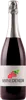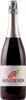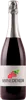
Winery GualtieriLambrusco dell’Emilia Secco
 Sparkling wine



This wine generally goes well with pork, poultry or rich fish (salmon, tuna etc).

Food and wine pairings with Lambrusco dell’Emilia Secco
Pairings that work perfectly with Lambrusco dell’Emilia Secco



Original food and wine pairings with Lambrusco dell’Emilia Secco


The Lambrusco dell’Emilia Secco of Winery Gualtieri matches generally quite well with dishes of pork, rich fish (salmon, tuna etc) or mature and hard cheese such as recipes of stuffed squid in the sétoise sauce, pan bagnat or beetroot and potato gratin.
Details and technical informations about Winery Gualtieri's Lambrusco dell’Emilia Secco.
Discover the grape variety: Nebbiolo Rosé
Light, elegant reds with a clear ruby robe and garnet hints, silky tannins and an airy palate, with delicate signature aromas of red fruits (cherry, raspberry), rose, violet, spices and Piedmontese balsamic notes. A rarer, more refined expression of Nebbiolo. Preserved for its heritage value, it contributes to a few artisanal Piedmontese cuvées. Rare Piedmontese black grape with rosier clusters, a variant of the iconic nebbiolo.
Last vintages of this wine
The best vintages of Lambrusco dell’Emilia Secco from Winery Gualtieri are 0
Informations about the Winery Gualtieri
The Winery Gualtieri is one of of the world's great estates. It offers 45 wines for sale in the of Emilia to come and discover on site or to buy online.

The wine region of Emilia
Kingdom of Lambrusco, the world's most-drunk sparkling red. Convivial, accessible sparklers from the Grasparossa (the fleshiest and most tannic), Salamino (balanced), Sorbara (pale and floral with red fruits) and Maestri varieties: ruby colour, lively foam, signature notes of cherry, raspberry, violet and flowers, fresh acidity. From dry to off-dry, perfect with Parma and Modena charcuterie. Also aromatic Malvasia and fresh Trebbiano.
The wine region of Emilia-Romagna
Kingdom of Lambrusco: fresh, fruity sparkling reds (blackberry, cherry, violet), from gourmet dry to convivial off-dry, perfect with local charcuterie. World's best-selling sparkling wine on the Emilia side (Sorbara, Grasparossa, Salamino). East, Romagna: supple fruity Sangiovese, Albana (Italy's 1st white DOCG, 1987) ample and almondy. Also red Gutturnio and white Pignoletto.
The word of the wine: Musk
A sensual, full-bodied animal substance used in luxury perfumery, produced by a small deer, the musk deer, also called musk deer.