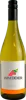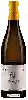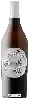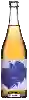
Winery Franz PaslerBlanc
 White wine
This wine generally goes well with pork, rich fish (salmon, tuna etc) or mature and hard cheese.

Food and wine pairings with Blanc
Pairings that work perfectly with Blanc



Original food and wine pairings with Blanc
The Blanc of Winery Franz Pasler matches generally quite well with dishes of pork, rich fish (salmon, tuna etc) or mature and hard cheese such as recipes of stuffed tomatoes with thermomix, mexican salad with spicy dressing or endive and beetroot salad with lemon cream.
Details and technical informations about Winery Franz Pasler's Blanc.
Discover the grape variety: Mauzac Noir
Light and fruity reds with a clear ruby colour, soft tannins and supple palate, with simple aromas of red fruit (cherry, raspberry) and floral notes. An airy profile with light colour, very rare. Preserved for its heritage value, it survives in a few confidential plots within Gaillac AOC and Limoux AOC. A dark-skinned mutation of Mauzac Blanc, an indigenous French variety from the South-West studied for its genetic interest.
Informations about the Winery Franz Pasler
The Winery Franz Pasler is one of of the world's greatest estates. It offers 8 wines for sale in the of Burgenland to come and discover on site or to buy online.

The wine region of Burgenland
Cradle of great Austrian reds. Signature Blaufränkisch: structured, spicy reds with black fruits (blackberry, black cherry), firm tannins and lively acidity, mineral profile. More supple Zweigelt on red fruit. Lively Welschriesling, peppery Grüner Veltliner, round Chardonnay whites.
The wine region of Weinland
Vast German-speaking region in north-eastern Switzerland, the country's largest production area. Signature Pinot Noir (Blauburgunder): fine, fresh reds with notes of cherry, raspberry, undergrowth and sweet spices, silky tannins. Elegant, delicate style, often barrel-aged. Also light, floral Müller-Thurgau (Riesling-Sylvaner), lively, lemony native Räuschling, ample Pinot Gris.
The word of the wine: Pressing
Mechanical action consisting of pressing the grapes (before fermentation for whites) or the marc soaked in wine (after fermentation for reds).