The Winery Fraicheur du Sud of Languedoc-Roussillon
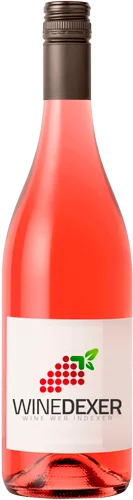
The Winery Fraicheur du Sud is one of the best wineries to follow in Languedoc-Roussillon.. It offers 4 wines for sale in of Languedoc-Roussillon to come and discover on site or to buy online.
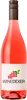
Looking for the best Winery Fraicheur du Sud wines in Languedoc-Roussillon among all the wines in the region? Check out our tops of the best red, white or effervescent Winery Fraicheur du Sud wines. Also find some food and wine pairings that may be suitable with the wines from this area. Learn more about the region and the Winery Fraicheur du Sud wines with technical and enological descriptions.
How Winery Fraicheur du Sud wines pair with each other generally quite well with dishes of pasta, vegetarian or appetizers and snacks such as recipes of leek and salmon lasagna, tuna, pepper and tomato quiche or tapenade.
On the nose the pink wine of Winery Fraicheur du Sud. often reveals types of flavors of citrus fruit. In the mouth the pink wine of Winery Fraicheur du Sud. is a with a nice freshness.
Languedoc (formerly Coteaux du Languedoc) is a key appellation used in the Languedoc-Roussillon wine region of southern France. It covers Dry table wines of all three colors (red, white and rosé) from the entire region, but leaves Sweet and Sparkling wines to other more specialized appellations. About 75% of all Languedoc wines are red, with the remaining 25% split roughly down the middle between whites and rosés. The appellation covers most of the Languedoc region and almost a third of all the vineyards in France.
The typical Languedoc red wine is medium-bodied and Fruity. The best examples are slightly heavier and have darker, more savoury aromas, with notes of spice, undergrowth and leather. The Grape varieties used to make them are the classic southern French ones: Grenache, Syrah and Mourvèdre, often with a touch of Carignan or Cinsaut. The white wines of the appellation are made from Grenache Blanc, Clairette and Bourboulenc, with occasional use of Viognier, Marsanne and Roussanne from the Rhône Valley.
How Winery Fraicheur du Sud wines pair with each other generally quite well with dishes of pasta, vegetarian or poultry such as recipes of spaghetti neapolitan style, zucchini and goat cheese quiche or wiener schnitzel or viennese schnitzel.
The vermentino grape variety was widespread in Italy, Sardinia and Corsica. Today, Vermentino is grown in the regions bordering the Mediterranean, mainly in Provence (Côtes de Provence, Bellet), Corsica (Corse Calvi), Languedoc (Côtes du Roussillon, Costières de Nîmes) and the Rhône Valley (Côtes du Luberon). Because it ripens late, Vermentino requires a warm climate for its development and can only be grown in regions with good sun exposure. Conversely, cold or temperate climates do not allow it to ripen properly. Vermentino is only susceptible to powdery mildew. When vinified on its own, Vermentino produces a single-variety dry white wine that is light and full-bodied with a pale yellow color. It can also be blended with other grape varieties such as Ugni Blanc, Cinsault and Grenache, in which case its low acidity makes it light and fresh. Vermentino belongs to the grape varieties of Ajaccio, Corsica and Corbières. The aromas released by this variety are multiple. One can detect notes of fresh apple, green almond, sweet spices, hawthorn, ripe pear and fresh pineapple.
How Winery Fraicheur du Sud wines pair with each other generally quite well with dishes of pasta, vegetarian or poultry such as recipes of tuna lasagna, goat cheese and bacon quiche or thai rice, asian style.
Unit of measurement corresponding to one second and allowing to quantify the aromatic persistence of a wine in mouth (length in mouth).
Planning a wine route in the of Languedoc-Roussillon? Here are the wineries to visit and the winemakers to meet during your trip in search of wines similar to Winery Fraicheur du Sud.
Pinot Gris is a grey grape variety mutated from Pinot Noir. It has its origins in Burgundy, where it is called pinot-beurot in reference to the colour of the grey robes worn by the monks of the region. Established in Alsace since the 17th century, pinot gris was called tokay until 2007. It is made up of bunches of small berries that vary in colour from pink to blue-grey. It is particularly well suited to the continental climate because it is resistant to the cold in winter and to spring frosts. This variety also likes dry limestone soils with plenty of sunshine in the summer. Pinot Gris is well suited to late harvesting or to the selection of noble grapes, depending on the year and the concentration of sugars in the berries. Pinot Gris wines are distinguished by their aromatic complexity of white fruits, mushrooms, honey, vanilla, cinnamon, etc., and their great finesse. In the Loire Valley, pinot gris is used in the Coteaux-d'Ancenis appellations. It gives dry or sweet wines with pear and peach aromas.