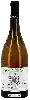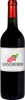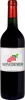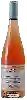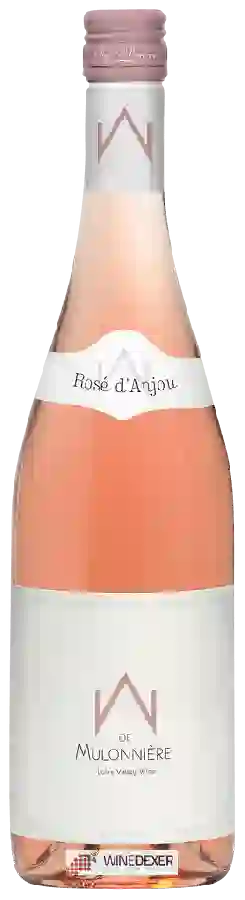
Château de la MulonniereRosé d'Anjou
 Pink wine



This wine is a blend of 4 varietals which are the Cabernet franc, the Cabernet-Sauvignon, the Grolleau and the Gamay noir.
This wine generally goes well with pork, poultry or beef.

Food and wine pairings with Rosé d'Anjou
Pairings that work perfectly with Rosé d'Anjou



Original food and wine pairings with Rosé d'Anjou


The Rosé d'Anjou of Château de la Mulonniere matches generally quite well with dishes of beef, lamb or pork such as recipes of beef with panang curry (red curry), lamb roast with lavender or stuffed tomatoes with thermomix.
Details and technical informations about Château de la Mulonniere's Rosé d'Anjou.
Discover the grape variety: Cabernet franc
Supple, fragrant reds with fine tannins and vibrant freshness, showing raspberry, violet, green pepper, pencil lead and gentle spice aromas. Star of the Loire as a single variety (Chinon, Bourgueil, Saumur-Champigny) and of the right bank of Bordeaux in blends (Cheval Blanc at 60%). Also in semi-dry Anjou rosés. A historic Bordeaux variety, parent of Cabernet-Sauvignon, Merlot and Carmenère.
Last vintages of this wine
The best vintages of Rosé d'Anjou from Château de la Mulonniere are 2009, 2012, 2010
Informations about the Château de la Mulonniere
The Château de la Mulonniere is one of of the world's greatest estates. It offers 14 wines for sale in the of Rosé d'Anjou to come and discover on site or to buy online.

The wine region of Rosé d'Anjou
Iconic tender rosé from the south bank of the Anjou Loire: signature dominant Grolleau blended with Cabernet Franc, Cabernet Sauvignon, Gamay, Côt and Pineau d'Aunis — friendly off-dry rosés with vibrant aromas of strawberry, raspberry, redcurrant, violet and English candy touches. Robe from pale to intense pink, tender perfumed palate balancing roundness and freshness. Direct pressing or short maceration preserves finesse. Accessible quaffable everyday summer AOC.
The wine region of Loire Valley
Kingdom of lively, dry whites and fine sparklers. Mineral, taut Sauvignon Blanc (Sancerre, Pouilly-Fumé) with citrus and gunflint notes. Multiform Chenin Blanc (Vouvray, Savennières, Layon): straight dry, floral off-dry or noble sweet honey-quince. Saline, iodised Muscadet (Melon B.
The word of the wine: Presses
The juice that results from pressing the grapes after fermentation. At the end of the maceration, the vats are emptied, the first juice obtained is called the free-run wine and the marc remaining at the bottom of the vat is then pressed to give the press wine. We say more quickly "the presses". Their quality varies according to the vintage and the maceration. A too vigorous extraction releases the tannins of pips and the wine of press can then prove to be very astringent. Often the winemaker raises it separately, deciding later whether or not to incorporate it totally or partially into the grand vin.