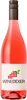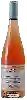
Winery André VinetLa Tourmandière Rosé d'Anjou
 Pink wine


This wine generally goes well with
The La Tourmandière Rosé d'Anjou of the Winery André Vinet is in the top 60 of wines of Rosé d'Anjou.

Details and technical informations about Winery André Vinet's La Tourmandière Rosé d'Anjou.
Discover the grape variety: Mayorquin
Lively, aromatic whites with a pale golden robe, an airy palate with preserved acidity, and signature aromas of white flowers, citrus (lemon, grapefruit) and fresh Mediterranean notes. A discreet, characteristic Provençal profile. Preserved for its heritage value, it survives in a few Provençal heritage plots and is among the ancient grape varieties of south-eastern France that are studied. An indigenous French white from Provence, grown in negligible quantities.
Last vintages of this wine
The best vintages of La Tourmandière Rosé d'Anjou from Winery André Vinet are 2015, 2018, 2016, 2017 and 2012.
Informations about the Winery André Vinet
The Winery André Vinet is one of of the world's greatest estates. It offers 6 wines for sale in the of Rosé d'Anjou to come and discover on site or to buy online.

The wine region of Rosé d'Anjou
Iconic tender rosé from the south bank of the Anjou Loire: signature dominant Grolleau blended with Cabernet Franc, Cabernet Sauvignon, Gamay, Côt and Pineau d'Aunis — friendly off-dry rosés with vibrant aromas of strawberry, raspberry, redcurrant, violet and English candy touches. Robe from pale to intense pink, tender perfumed palate balancing roundness and freshness. Direct pressing or short maceration preserves finesse. Accessible quaffable everyday summer AOC.
The wine region of Loire Valley
Kingdom of lively, dry whites and fine sparklers. Mineral, taut Sauvignon Blanc (Sancerre, Pouilly-Fumé) with citrus and gunflint notes. Multiform Chenin Blanc (Vouvray, Savennières, Layon): straight dry, floral off-dry or noble sweet honey-quince. Saline, iodised Muscadet (Melon B.
The word of the wine: Imperial
Bottle with a capacity of 6 liters (synonym of mathusalem).