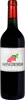
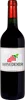
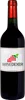
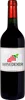
Winery Fernando CastroConde de Farnals Reserva Tinto Seco
 Red wine



In the mouth this red wine is a powerful with a nice balance between acidity and tannins.
This wine generally goes well with poultry, beef or veal.
Taste structure of the Conde de Farnals Reserva Tinto Seco from the Winery Fernando Castro
Light | Bold | |
Smooth | Tannic | |
Dry | Sweet | |
Soft | Acidic |
In the mouth the Conde de Farnals Reserva Tinto Seco of Winery Fernando Castro in the region of Castille is a powerful with a nice balance between acidity and tannins.
Food and wine pairings with Conde de Farnals Reserva Tinto Seco
Pairings that work perfectly with Conde de Farnals Reserva Tinto Seco



Original food and wine pairings with Conde de Farnals Reserva Tinto Seco

The Conde de Farnals Reserva Tinto Seco of Winery Fernando Castro matches generally quite well with dishes of beef, pasta or veal such as recipes of sautéed pork with pineapple, pasta with arrabiata or delicious veal stew.
Details and technical informations about Winery Fernando Castro's Conde de Farnals Reserva Tinto Seco.
Discover the grape variety: Krakhouna
It is believed to have originated in Georgia, where it is grown as both a table and wine grape. In France it is not known.
Last vintages of this wine
The best vintages of Conde de Farnals Reserva Tinto Seco from Winery Fernando Castro are 2013, 0
Informations about the Winery Fernando Castro
The Winery Fernando Castro is one of of the world's greatest estates. It offers 94 wines for sale in the of Valdepeñas to come and discover on site or to buy online.

The wine region of Valdepeñas
The wine region of Valdepeñas is located in the region of Castille of Spain. Wineries and vineyards like the Domaine Corrales Espinosa or the Domaine Corcovo - Megía e Hijos produce mainly wines red, white and pink. The most planted grape varieties in the region of Valdepeñas are Tempranillo, Verdejo and Airen, they are then used in wines in blends or as a single variety. On the nose of Valdepeñas often reveals types of flavors of cherry, floral or anise and sometimes also flavors of tomatoes, red currant or white pepper.
The wine region of Castille
Castilla-La Mancha is a large region located South and east of the Spanish capital, Madrid. Inexpensive table wines are produced from a variety of Grapes. Higher quality wines are increasingly available, but the region is traditionally known as a source of low quality bulk wine. More than half of Spain's grapes are grown here.
The word of the wine: Cooperative cellar
A collective production structure to which winegrowers belong in order to pool their grapes, transform them into wine and ensure its marketing.