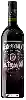
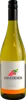
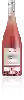
Domaine Vial MagnèresRanfio Cino
 Sweet wine
This wine generally goes well with poultry, rich fish (salmon, tuna etc) or shellfish.

Food and wine pairings with Ranfio Cino
Pairings that work perfectly with Ranfio Cino



Original food and wine pairings with Ranfio Cino
The Ranfio Cino of Domaine Vial Magnères matches generally quite well with dishes of rich fish (salmon, tuna etc), shellfish or poultry such as recipes of tuna sandwich, soupions à la provençale or chicken fajitas.
Details and technical informations about Domaine Vial Magnères's Ranfio Cino.
Discover the grape variety: Doral
Aromatic and structured dry whites with a pale golden robe, an ample palate with preserved acidity, showing signature aromas of white flowers (acacia), yellow fruits (pear, white peach), citrus and Swiss mineral notes. Intermediate profile between chasselas and chardonnay. Grown in French-speaking Switzerland (Vaud, Valais), featured in modern blends and signing a modern Helvetic creation. Swiss white grape obtained in 1965 at Pully, chasselas × chardonnay.
Informations about the Domaine Vial Magnères
The Domaine Vial Magnères is one of of the world's great estates. It offers 18 wines for sale in the of Banyuls to come and discover on site or to buy online.

The wine region of Banyuls
AOC natural sweet wine of the Catalan Côte Vermeille, spectacular schist terrace vineyards facing the Mediterranean. Black Grenache fortified with alcohol (min. 50%, min. 75% in Grand Cru).
The wine region of Languedoc-Roussillon
Largest single French vineyard, dominated by sunny, generous reds. Spicy Syrah, candied Grenache (ripe fruit, garrigue), structured Carignan, deep Mourvèdre, supple Cinsault. Stars: structured Corbières, Minervois, Faugères, Saint-Chinian; round Côtes-du-Roussillon. Legendary vins doux naturels: Banyuls and Maury (fortified Grenache) with notes of cocoa, fig, prune.
The word of the wine: Disgorging (champagne)
This is the evacuation of the deposit formed by the yeasts during the second fermentation in the bottle, by opening the bottle. The missing volume is completed with the liqueur de dosage - a mixture of wine and cane sugar - before the final cork is placed. For some years now, some producers have been replacing this sugar with rectified concentrated musts (concentrated grape juice) which give excellent results. A too recent dosage (less than three months) harms the gustatory harmony of the champagne.