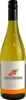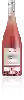
La Cave Veuve BanyulsLes Terrasses de la Côte Rimage Banyuls
 Sweet wine



This wine generally goes well with
The Les Terrasses de la Côte Rimage Banyuls of the La Cave Veuve Banyuls is in the top 80 of wines of Banyuls.

Wine flavors and olphactive analysis



On the nose the Les Terrasses de la Côte Rimage Banyuls of La Cave Veuve Banyuls in the region of Languedoc-Roussillon often reveals types of flavors of non oak, oak.
Details and technical informations about La Cave Veuve Banyuls's Les Terrasses de la Côte Rimage Banyuls.
Discover the grape variety: Padeiro
Lively, intensely coloured reds to drink young, with a deep purple colour, present tannins and a taut palate with pronounced acidity, with signature aromas of red fruits (cherry, redcurrant), gentle spices and floral notes. Fresh, northern profile. Often blended with Vinhão and Espadeiro, it contributes to the red Vinho Verde wines of the Minho. Portuguese black variety grown in the Vinho Verde region, especially in the Basto sub-region.
Last vintages of this wine
The best vintages of Les Terrasses de la Côte Rimage Banyuls from La Cave Veuve Banyuls are 2018
Informations about the La Cave Veuve Banyuls
The La Cave Veuve Banyuls is one of of the world's greatest estates. It offers 8 wines for sale in the of Banyuls to come and discover on site or to buy online.

The wine region of Banyuls
AOC natural sweet wine of the Catalan Côte Vermeille, spectacular schist terrace vineyards facing the Mediterranean. Black Grenache fortified with alcohol (min. 50%, min. 75% in Grand Cru).
The wine region of Languedoc-Roussillon
Largest single French vineyard, dominated by sunny, generous reds. Spicy Syrah, candied Grenache (ripe fruit, garrigue), structured Carignan, deep Mourvèdre, supple Cinsault. Stars: structured Corbières, Minervois, Faugères, Saint-Chinian; round Côtes-du-Roussillon. Legendary vins doux naturels: Banyuls and Maury (fortified Grenache) with notes of cocoa, fig, prune.
The word of the wine: Residual sugars
Sugars not transformed into alcohol and naturally present in the wine. The perception of residual sugars is conditioned by the acidity of the wine. The more acidic the wine is, the less sweet it will seem, given the same amount of sugar.