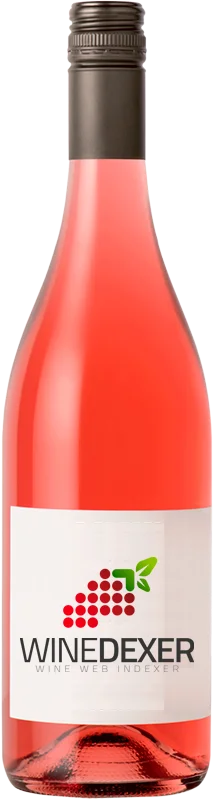
Domaine PöttelsdorfSchilfschneider Blaufränkisch Rosé
 Pink wine


This wine generally goes well with pork, rich fish (salmon, tuna etc) or mature and hard cheese.

Food and wine pairings with Schilfschneider Blaufränkisch Rosé
Pairings that work perfectly with Schilfschneider Blaufränkisch Rosé



Original food and wine pairings with Schilfschneider Blaufränkisch Rosé
The Schilfschneider Blaufränkisch Rosé of Domaine Pöttelsdorf matches generally quite well with dishes of pork, rich fish (salmon, tuna etc) or mature and hard cheese such as recipes of sauerkraut of the sea in casserole, tuna, goat cheese and mustard pie or savoyard crust or cheese crust.
Details and technical informations about Domaine Pöttelsdorf's Schilfschneider Blaufränkisch Rosé.
Discover the grape variety: Carignan Blanc
Structured, full-bodied dry whites with a pale to golden colour, ample palate and preserved acidity, showing signature aromas of ripe yellow fruits (pear, peach, apricot), almond, white flowers and Mediterranean saline notes. Good ageing potential; renewed interest for character-driven southern whites. Grown in small quantities in Languedoc-Roussillon and Catalonia (cariñena blanca). White-berried mutation of carignan noir, a historic Mediterranean variety.
Last vintages of this wine
The best vintages of Schilfschneider Blaufränkisch Rosé from Domaine Pöttelsdorf are 0
Informations about the Domaine Pöttelsdorf
The Domaine Pöttelsdorf is one of of the world's greatest estates. It offers 24 wines for sale in the of Burgenland to come and discover on site or to buy online.

The wine region of Burgenland
Cradle of great Austrian reds. Signature Blaufränkisch: structured, spicy reds with black fruits (blackberry, black cherry), firm tannins and lively acidity, mineral profile. More supple Zweigelt on red fruit. Lively Welschriesling, peppery Grüner Veltliner, round Chardonnay whites.
The wine region of Weinland
Vast German-speaking region in north-eastern Switzerland, the country's largest production area. Signature Pinot Noir (Blauburgunder): fine, fresh reds with notes of cherry, raspberry, undergrowth and sweet spices, silky tannins. Elegant, delicate style, often barrel-aged. Also light, floral Müller-Thurgau (Riesling-Sylvaner), lively, lemony native Räuschling, ample Pinot Gris.
The word of the wine: Chaptalization
The addition of sugar at the time of fermentation of the must, an ancient practice, but theorized by Jean-Antoine Chaptal at the dawn of the 19th century. The sugar is transformed into alcohol and allows the natural degree of the wine to be raised in a weak or cold year, or - more questionably - when the winegrower has a harvest that is too large to obtain good maturity.





