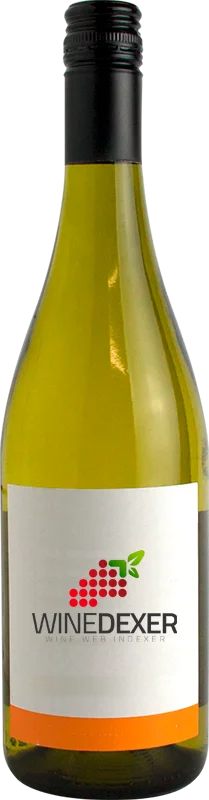
Winery Max Lahr et FilsGewürztraminer
 White wine
This wine generally goes well with poultry, rich fish (salmon, tuna etc) or mild and soft cheese.

Food and wine pairings with Gewürztraminer
Pairings that work perfectly with Gewürztraminer



Original food and wine pairings with Gewürztraminer


The Gewürztraminer of Winery Max Lahr et Fils matches generally quite well with dishes of rich fish (salmon, tuna etc), spicy food or sweet desserts such as recipes of salt crusted sea bass, phad thai (thai style fried noodles) or traditional pastry flan.
Details and technical informations about Winery Max Lahr et Fils's Gewürztraminer.
Discover the grape variety: Gewurztraminer
Full-bodied, exotic whites, rich and heady, with moderate acidity, showing opulent aromas of lychee, rose, mango, ginger, pink grapefruit and gentle spice. Made as aromatic dry, moelleux late-harvest and liquorous sélection de grains nobles. Star of Alsace AOC (one of the four noble varieties) and signature of Alto Adige (Tramin), Palatinate and Germany. A pink mutation of Traminer.
Informations about the Winery Max Lahr et Fils
The Winery Max Lahr et Fils is one of of the world's greatest estates. It offers 13 wines for sale in the of Moselle to come and discover on site or to buy online.

The wine region of Moselle
World benchmark for cool-climate German Riesling, on vertiginous blue and grey slate slopes. Pure, precise whites with signature notes of lime, green apple, white peach, white flowers and marked chalky minerality ("gunflint"), low alcohol (~8-10%), taut acidity and crystalline tension. From dry Kabinett to sweet Auslese, up to luscious Beerenauslese, Trockenbeerenauslese and Eiswein. Also Müller-Thurgau and Elbling.
The word of the wine: Douçâtre
Soft wine with a dominant sweetness at the expense of freshness.