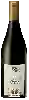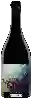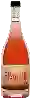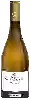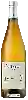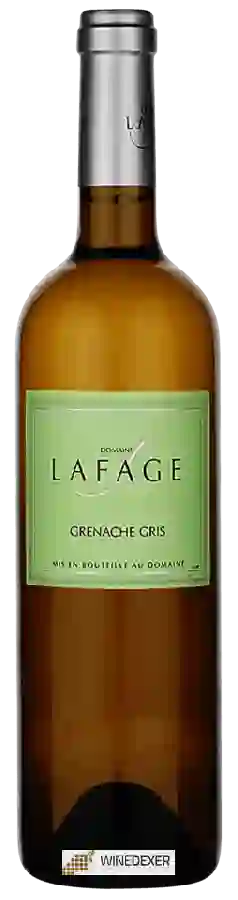
Domaine LafageGrenache Gris
 White wine


In the mouth this white wine is a .
This wine generally goes well with vegetarian, poultry or lean fish.

Taste structure of the Grenache Gris from the Domaine Lafage
Light | Bold | |
Dry | Sweet | |
Soft | Acidic |
In the mouth the Grenache Gris of Domaine Lafage in the region of Pays d'Oc is a .
Food and wine pairings with Grenache Gris
Pairings that work perfectly with Grenache Gris



Original food and wine pairings with Grenache Gris


The Grenache Gris of Domaine Lafage matches generally quite well with dishes of pasta, vegetarian or poultry such as recipes of roast beef in a foie gras and chanterelle crust, spinach and goat cheese quiche or quick coconut milk chicken.
Details and technical informations about Domaine Lafage's Grenache Gris.
Discover the grape variety: Cococciola
Crisp, aromatic dry whites with a pale golden colour, a lean palate and fresh acidity showing citrus (lemon, grapefruit), white flowers, white-fleshed fruits and Adriatic mineral notes. Also made as fresh sparkling wines (spumante). Enjoying a quality revival among Abruzzese producers who vinify it as a single variety around Chieti.
Last vintages of this wine
The best vintages of Grenache Gris from Domaine Lafage are 2013
Informations about the Domaine Lafage
The Domaine Lafage is one of of the world's great estates. It offers 98 wines for sale in the of Côtes Catalanes to come and discover on site or to buy online.

The wine region of Côtes Catalanes
Expressive Roussillon heartland: signature Grenache Noir as the red king — fleshy and sunny with notes of ripe cherry, raspberry, garrigue, spices and a peppery touch, round tannins and generous alcohol on schist. Deep Syrah, dense Carignan and Mourvèdre as support. Grenache Gris/Blanc, Macabeu and Vermentino in round whites (fennel, citrus, flowers). Aromatic Muscats.
The wine region of Pays d'Oc
The single-grape IGP par excellence: modern, accessible, frank and fruity wines, the popular signature of the Midi. Spicy Syrah reds (pepper, blackberry), round Merlot, structured Cabernet, generous Grenache, supple Cinsault. Crisp, tangy rosés. Opulent Chardonnay whites, lively Sauvignon, floral, apricoty Viognier.
The word of the wine: MA
Auxiliary brand or buyer's brand (supermarket for example) gathering champagnes of various origins. It offers no guarantee of quality or traceability.