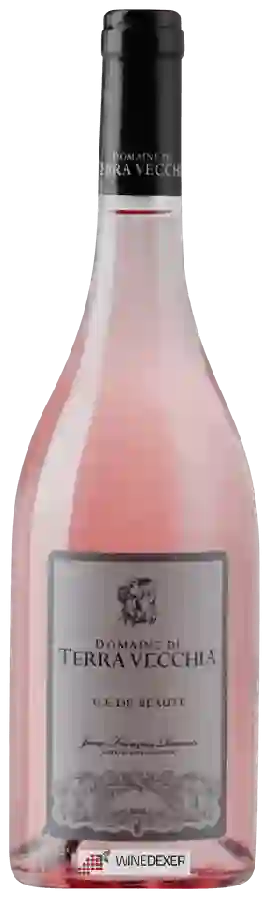
Domaine de Terra VecchiaIle de Beaute Rosé
 Pink wine



This wine generally goes well with beef, lamb or mature and hard cheese.
The Ile de Beaute Rosé of the Domaine de Terra Vecchia is in the top 10 of wines of Ile de Beaute.

Wine flavors and olphactive analysis



On the nose the Ile de Beaute Rosé of Domaine de Terra Vecchia in the region of Ile de Beaute often reveals types of flavors of citrus, strawberries or tree fruit and sometimes also flavors of citrus fruit, red fruit.
Food and wine pairings with Ile de Beaute Rosé
Pairings that work perfectly with Ile de Beaute Rosé



Original food and wine pairings with Ile de Beaute Rosé

The Ile de Beaute Rosé of Domaine de Terra Vecchia matches generally quite well with dishes of beef, lamb or spicy food such as recipes of traditional hungarian goulash, lamb in spicy sauce or chakchouka.
Details and technical informations about Domaine de Terra Vecchia's Ile de Beaute Rosé.
Discover the grape variety: Nielluccio
Structured and elegant reds with a deep ruby colour, firm tannins and lively acidity, on aromas of cherry, plum, garrigue, Mediterranean herbs (myrtle, rosemary), spices and balsamic notes. Fine ageing potential. The absolute star of Patrimonio AOC on the clay-limestone marls of northern Corsica, a pillar of Ajaccio AOC and the island's reds. Genetically identical to Tuscan Sangiovese, brought to Corsica in the 18th century by the Genoese.
Last vintages of this wine
The best vintages of Ile de Beaute Rosé from Domaine de Terra Vecchia are 2011, 2016, 2015, 2014 and 2018.
Informations about the Domaine de Terra Vecchia
The Domaine de Terra Vecchia is one of of the world's greatest estates. It offers 46 wines for sale in the of Ile de Beaute to come and discover on site or to buy online.

The wine region of Ile de Beaute
IGP covering all Corsica, complement to the 9 AOCs. Three noble natives as signatures. Powerful Niellucciu red (Sangiovese's brother) with signature notes of black cherry, blackberry, garrigue, leather and a spicy touch, firm tannins. Finer spicier Sciaccarellu (strawberry, pepper, maquis).
The word of the wine: Maceration
Prolonged contact and exchange between the juice and the grape solids, especially the skin. Not to be confused with the time of fermentation, which follows maceration. The juice becomes loaded with colouring matter and tannins, and acquires aromas. For a rosé, the maceration is short so that the colour does not "rise" too much. For white wines too, a "pellicular maceration" can be practised, which allows the wine to acquire more fat.


