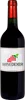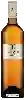
Domaine de RibonnetSyrah
 Red wine



This wine generally goes well with beef, lamb or mature and hard cheese.
Wine flavors and olphactive analysis

On the nose the Syrah of Domaine de Ribonnet in the region of Comté Tolosan often reveals types of flavors of red fruit, black fruit.
Food and wine pairings with Syrah
Pairings that work perfectly with Syrah



Original food and wine pairings with Syrah

The Syrah of Domaine de Ribonnet matches generally quite well with dishes of beef, lamb or spicy food such as recipes of blanquette of monkfish with small vegetables, sauté of lamb or hawaiian pizza.
Details and technical informations about Domaine de Ribonnet's Syrah.
Discover the grape variety: Mérille
Originally from the Tarn-et-Garonne, the merille is a member of the cotoïdes family. It has long occupied the vineyards of Bergerac. It is often planted with négrette N or côt N. Nowadays, it is only grown on a hundred hectares in all. The young leaves of the Merille are heart-shaped. Its bunches are larger than average. The berries are bluish-black in colour and are also large and tightly packed. Merillas are associated with a regular and high production. It is often exposed to attacks by grape worms, leafhoppers and mites. It also fears grey rot but is not very sensitive to powdery mildew and mildew. This variety has 3 approved clones, not yet multiplied, namely 790, 445 and 444. It does not like soils with excessive humidity. It buds early and ripens later. Merille produces a light, not very aromatic, flat and simple wine.
Last vintages of this wine
The best vintages of Syrah from Domaine de Ribonnet are 2010, 2017, 2012, 2015
Informations about the Domaine de Ribonnet
The Domaine de Ribonnet is one of of the world's greatest estates. It offers 22 wines for sale in the of Comté Tolosan to come and discover on site or to buy online.

The wine region of Comté Tolosan
Comte Tolosan is a PGI title that covers wines produced in a large area of Southwestern France. The PGI basin encompasses 12 administrative dePartments and is home to a wide range of appellations d'origine contrôlée (AOC) such as Jurançon, Cahors and Armagnac. The IGP label provides a geographical classification for wines that are not classified for AOC level appellations due to Grape variety or winemaking style. The region is part of the Aquitaine basin - the plains that lie between the Pyrenees, the Massif Central and the Atlantic Ocean to the west.
The word of the wine: Double magnum (or Marie-Jeanne)
Bottle with a capacity of 3 litres.