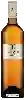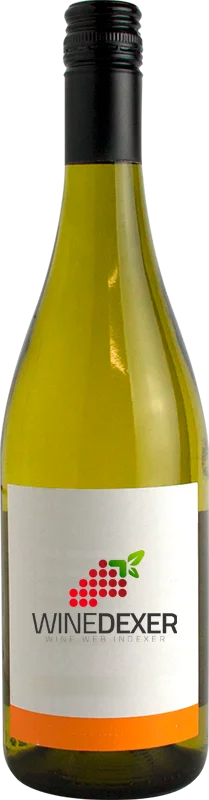
Domaine de RibonnetAligoté
 White wine
This wine generally goes well with
Details and technical informations about Domaine de Ribonnet's Aligoté.
Discover the grape variety: Aligoté
Aligoté is an ancient Burgundian grape variety (it has different names depending on the region in which it is grown: griset blanc in Beaune, giboudot blanc in the Chalonnais or troyen blanc in the Aube), mainly used in the production of Bourgogne-Aligoté, Bouzeron and Crémant-de-Bourgogne.aligoté is a medium-fine white grape variety, quite productive, which gives clear, acidic, fresh and light white wines. An anecdote often says that it was a member of the clergy named Kir who gave it its letters of nobility by adding it to blackcurrant cream to prepare an aperitif.produced on more than 1,600 hectares in Burgundy, aligoté has also been exported. It is also cultivated in Eastern Europe (Ukraine, Romania), California, Canada and Chile, representing more than 20,000 hectares in the world.
Informations about the Domaine de Ribonnet
The Domaine de Ribonnet is one of of the world's greatest estates. It offers 22 wines for sale in the of Comté Tolosan to come and discover on site or to buy online.

The wine region of Comté Tolosan
Comte Tolosan is a PGI title that covers wines produced in a large area of Southwestern France. The PGI basin encompasses 12 administrative dePartments and is home to a wide range of appellations d'origine contrôlée (AOC) such as Jurançon, Cahors and Armagnac. The IGP label provides a geographical classification for wines that are not classified for AOC level appellations due to Grape variety or winemaking style. The region is part of the Aquitaine basin - the plains that lie between the Pyrenees, the Massif Central and the Atlantic Ocean to the west.
The word of the wine: Trimmer
Elevated tractor that allows you to pass through the vineyards by straddling them.