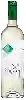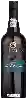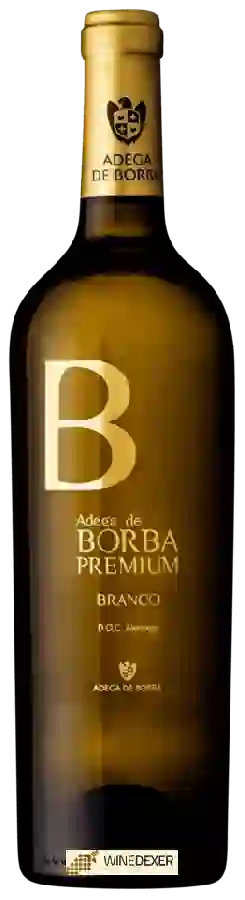
Winery BradoAlentejo Premium Branco
 White wine



This wine is a blend of 3 varietals which are the Albarino, the Alvarinho and the Verdelho.
In the mouth this white wine is a powerful.
This wine generally goes well with pork, lean fish or shellfish.

Taste structure of the Alentejo Premium Branco from the Winery Brado
Light | Bold | |
Dry | Sweet | |
Soft | Acidic |
In the mouth the Alentejo Premium Branco of Winery Brado in the region of Alentejano is a powerful.
Food and wine pairings with Alentejo Premium Branco
Pairings that work perfectly with Alentejo Premium Branco



Original food and wine pairings with Alentejo Premium Branco

The Alentejo Premium Branco of Winery Brado matches generally quite well with dishes of pasta, pork or shellfish such as recipes of lasagne simplissimo, quiche lorraine or gari (cassava flour) with shrimps (africa).
Details and technical informations about Winery Brado's Alentejo Premium Branco.
Discover the grape variety: Albarino
Lively, aromatic whites with sharp acidity and a sleek palate, with intense aromas of citrus, white peach, apricot, white flowers, passion fruit and characteristic Atlantic saline-iodine notes. Tonic and long finish. Absolute star of Rías Baixas DO in Galicia (Spain) and signature of Portuguese Vinho Verde as Alvarinho (Monção e Melgaço). Native Iberian variety, exported to Uruguay, California and New Zealand.
Last vintages of this wine
The best vintages of Alentejo Premium Branco from Winery Brado are 2018, 2017, 2016, 2019 and 2014.
Informations about the Winery Brado
The Winery Brado is one of of the world's great estates. It offers 78 wines for sale in the of Alentejano to come and discover on site or to buy online.

The wine region of Alentejano
Star of southern Portugal's great reds, sunny and opulent wines. Typical blends: round fruity Aragonez (Tempranillo), spicy Trincadeira, Touriga Nacional (black fruits, violet), deep teinturier Alicante Bouschet, juicy Castelão. Fleshy reds with notes of plum, black cherry, cocoa and sweet spices, melted tannins. Ample fresh Antão Vaz and Arinto whites.
The word of the wine: New wine
Wine of the year, fruity and easy to drink. Beaujolais Nouveau is not the only one in this category, the Côtes-du-Rhône, Touraine and Gaillac appellations also produce new wines.