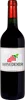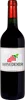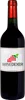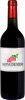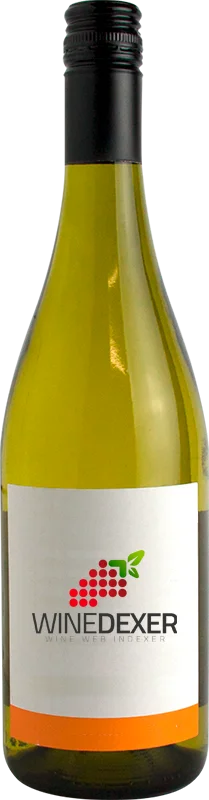
Winery Do.t.e.Skinphony
 White wine


In the mouth this white wine is a with a nice freshness.
This wine generally goes well with vegetarian, appetizers and snacks or lean fish.

Taste structure of the Skinphony from the Winery Do.t.e.
Light | Bold | |
Dry | Sweet | |
Soft | Acidic |
In the mouth the Skinphony of Winery Do.t.e. in the region of Tuscany is a with a nice freshness.
Food and wine pairings with Skinphony
Pairings that work perfectly with Skinphony



Original food and wine pairings with Skinphony


The Skinphony of Winery Do.t.e. matches generally quite well with dishes of pasta, vegetarian or appetizers and snacks such as recipes of pipe rigate bolognese sauce, goat cheese and bacon quiche or sweet potato chips.
Details and technical informations about Winery Do.t.e.'s Skinphony.
Discover the grape variety: Viognier
Opulent, heady whites, rich and silky, with intense aromas of apricot, yellow peach, mango, violet, honeysuckle and musky, honeyed notes. Discreet acidity, creamy finish. Star of Condrieu AOC and Château-Grillet AOC, co-vinified in Côte-Rôtie with Syrah (up to 20%). Widely exported to California (Central Coast), Australia (Eden Valley) and Languedoc. A Rhône variety.
Informations about the Winery Do.t.e.
The Winery Do.t.e. is one of of the world's greatest estates. It offers 12 wines for sale in the of Tuscany to come and discover on site or to buy online.

The wine region of Tuscany
Kingdom of Sangiovese: upright reds with cherry, plum, dried herbs and leather, lively acidity and firm tannins. Fleshy, food-friendly Chianti Classico DOCG, deep long-ageing Brunello di Montalcino (spice, tobacco, ripe black fruit), elegant Vino Nobile di Montepulciano. On the coast, Bolgheri crafts the opulent Cabernet- and Merlot-based 'Super Tuscans'. Some fresh white Vernaccia.
The word of the wine: Old vines
There are no specific regulations governing the term "vieilles vignes". After 20 to 25 years, the yields stabilize and tend to decrease, the vines are deeply rooted, and the grapes that come from them give richer, more concentrated, more sappy wines, expressing with more nuance the characteristics of their terroir. It is possible to find plots of vines that claim to be a century old.