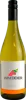
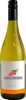
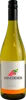
Winery Conti Degli AzzoniCantalupo Bianco
 White wine


In the mouth this white wine is a with a nice freshness.
This wine generally goes well with vegetarian, appetizers and snacks or lean fish.
Taste structure of the Cantalupo Bianco from the Winery Conti Degli Azzoni
Light | Bold | |
Dry | Sweet | |
Soft | Acidic |
In the mouth the Cantalupo Bianco of Winery Conti Degli Azzoni in the region of Marche is a with a nice freshness.
Food and wine pairings with Cantalupo Bianco
Pairings that work perfectly with Cantalupo Bianco



Original food and wine pairings with Cantalupo Bianco


The Cantalupo Bianco of Winery Conti Degli Azzoni matches generally quite well with dishes of pasta, vegetarian or appetizers and snacks such as recipes of lasagne with salmon, goat cheese and spinach, magic cake cheese quiche or sunshine pie with tomato pesto and pine nuts.
Details and technical informations about Winery Conti Degli Azzoni's Cantalupo Bianco.
Discover the grape variety: Cabernet-Cortis
Interspecific cross between Cabernet Sauvignon and Solaris (Merzling x Geisenheim 6493 (Zarya Severa x Muscat Ottonel)) made in 1982 by Norbert Becker of the Freiburg Research Institute in Germany. It has the particularity of having only one gene for resistance to mildew and powdery mildew. It can be found in the Netherlands, Denmark, Belgium, Switzerland, etc., but is still little known in France. Note that Cabernet-Carol has the same parents.
Last vintages of this wine
The best vintages of Cantalupo Bianco from Winery Conti Degli Azzoni are 0
Informations about the Winery Conti Degli Azzoni
The Winery Conti Degli Azzoni is one of of the world's great estates. It offers 33 wines for sale in the of Marche to come and discover on site or to buy online.

The wine region of Marche
Marche (or Le Marche; pronounced Mar-kay) is a region in eastern CentralItaly. It is most associated with white wines made from Trebbiano and Verdicchio grapes. Marche occupies a roughly triangular area. Its longer sides are formed by the Apennine Mountains to the west and the Adriatic Sea to the east.
The word of the wine: Flint (smell of)
Mineral odour reminiscent of flint and flint heated during sharpening.