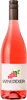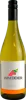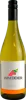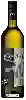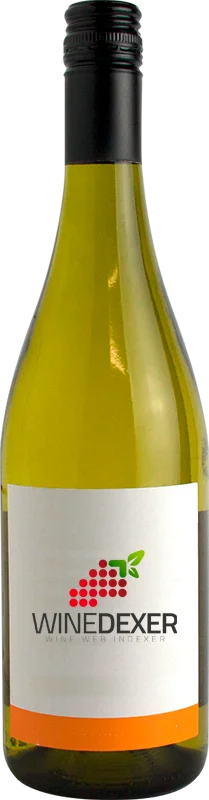
Winery Collegium WirtembergCuvée Blanc Trocken
 White wine



This wine generally goes well with vegetarian, rich fish (salmon, tuna etc) or shellfish.

Food and wine pairings with Cuvée Blanc Trocken
Pairings that work perfectly with Cuvée Blanc Trocken



Original food and wine pairings with Cuvée Blanc Trocken
The Cuvée Blanc Trocken of Winery Collegium Wirtemberg matches generally quite well with dishes of rich fish (salmon, tuna etc), shellfish or vegetarian such as recipes of mackerel with quick mustard, shrimp risotto with curry or quiche lorraine.
Details and technical informations about Winery Collegium Wirtemberg's Cuvée Blanc Trocken.
Discover the grape variety: Moscato
Sweet, lightly sparkling aromatic whites with a pale golden hue, a supple palate and preserved acidity, with intense signature aromas of muscat, rose, orange blossom, white peach, candied citrus, honey, sage and explosive muscat notes. Low alcohol, indulgent profile. Absolute star of Moscato d'Asti DOCG and Asti Spumante DOCG in Piedmont. Italian name for the muscat family (Moscato Bianco = muscat blanc à petits grains), Piedmontese signature.
Last vintages of this wine
The best vintages of Cuvée Blanc Trocken from Winery Collegium Wirtemberg are 2016, 0, 2015
Informations about the Winery Collegium Wirtemberg
The Winery Collegium Wirtemberg is one of of the world's great estates. It offers 100 wines for sale in the of Württemberg to come and discover on site or to buy online.

The wine region of Württemberg
Rare predominantly red region in Germany (nearly 70%). Supple, fruity everyday reds: light, crisp Trollinger (Schiava) with red fruits, more structured, spicy, deep Lemberger (Blaufränkisch), generous Schwarzriesling (Pinot Meunier). Riesling king of whites (>2,000 ha), lively and mineral, citrus and green apple. Germany's 4th region (11,500 ha) on the Neckar slopes around Heilbronn and Stuttgart.
The word of the wine: Arching
A stage in the vegetative cycle of the vine that occurs after the leaves have fallen and is characterized by the drying out of the soft shoots, which are transformed into hard shoots by lignification.