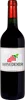
Winery CoelsGoels'sche Spatburgunder Halbtrocken
 wine
wine



This wine generally goes well with poultry, beef or veal.

Food and wine pairings with Goels'sche Spatburgunder Halbtrocken
Pairings that work perfectly with Goels'sche Spatburgunder Halbtrocken



Original food and wine pairings with Goels'sche Spatburgunder Halbtrocken

The Goels'sche Spatburgunder Halbtrocken of Winery Coels matches generally quite well with dishes of beef, veal or game (deer, venison) such as recipes of beef fashion, bocconcini (veal rolls with ham and comté) or rabbit in foil.
Details and technical informations about Winery Coels's Goels'sche Spatburgunder Halbtrocken.
Discover the grape variety: Solaris
Aromatic, structured whites with an ample palate and moderate acidity, with intense, muscat-like aromas of yellow peach, apricot, exotic fruits (pineapple, mango), white flowers, honey and discreet herbal notes. Made as both expressive dry whites and sweet wines. A very early, mildew- and powdery-mildew-resistant interspecific variety, driving organic viticulture in northern regions (Germany, Switzerland, Denmark, Sweden, UK). Created in 1975 in Freiburg (Merzling × Geisenheim 6493).
Last vintages of this wine
The best vintages of Goels'sche Spatburgunder Halbtrocken from Winery Coels are 0
Informations about the Winery Coels
The Winery Coels is one of of the world's greatest estates. It offers 12 wines for sale in the of Rheinhessen to come and discover on site or to buy online.

The wine region of Rheinhessen
71% white region: Riesling is king (5,000 ha), dry to off-dry, ripe yellow fruit, apple, citrus and fine saline minerality. Supple, floral Müller-Thurgau for everyday, the world's largest Silvaner plantation with herbaceous, straight notes. Historic cradle of off-sweet Liebfraumilch. Some supple reds (Dornfelder, Spätburgunder).
The word of the wine: Botrytis cinerea
This fungus, also called noble rot, develops during the over-ripening phase and is an ally of great sweet white wines, when it concentrates the juice of the berries. It requires the humidity of morning fogs and beautiful sunny days, gives musts very rich in sugar and brings to the wines the famous taste of "roasted".