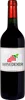
Winery Cume do AviaRosete Ni Rosado ni Clarete
 Pink wine



This wine generally goes well with beef, veal or rich fish (salmon, tuna etc).
Food and wine pairings with Rosete Ni Rosado ni Clarete
Pairings that work perfectly with Rosete Ni Rosado ni Clarete



Original food and wine pairings with Rosete Ni Rosado ni Clarete

The Rosete Ni Rosado ni Clarete of Winery Cume do Avia matches generally quite well with dishes of beef, veal or rich fish (salmon, tuna etc) such as recipes of pork chops with potatoes, roast veal with black olives or risotto with fresh salmon and zucchini.
Discover the grape variety: Mencia
Spanish, more precisely from the Duero Valley where it is still very present. According to some ampelographers, it is close to Cabernet Franc.
Last vintages of this wine
The best vintages of Rosete Ni Rosado ni Clarete from Winery Cume do Avia are 0, 2018
Informations about the Winery Cume do Avia
The Winery Cume do Avia is one of of the world's greatest estates. It offers 19 wines for sale in the of Ribeiro to come and discover on site or to buy online.

The wine region of Ribeiro
The wine region of Ribeiro is located in the region of Galice of Spain. Wineries and vineyards like the Domaine Emilio Rojo or the Domaine Francisco Garcia Perez produce mainly wines white, red and sweet. The most planted grape varieties in the region of Ribeiro are Albarino, Loureiro and Mencia, they are then used in wines in blends or as a single variety. On the nose of Ribeiro often reveals types of flavors of pear, smoke or almonds and sometimes also flavors of fig, stone fruit or saline.
The wine region of Galice
Galicia is one of the 17 first-level administrative regions (called comunidades autónomas) of Spain. It occupies the northwestern corner of the Iberian Peninsula, and is exposed on two sides to the Atlantic Ocean. To the South is Portugal, to the east Castilla y Leon. Viticulture has a Long tradition in Galicia, introduced to the region by the ancient Romans and continued by monks throughout the Middle Ages.
The word of the wine: Free-run wine
The free-run wine is the wine that flows out of the vat by gravity at the time of running off. The marc soaked in wine is then pressed to extract a rich and tannic wine. Free-run wine and press wine are then aged separately and eventually blended by the winemaker in proportions defined according to the type of wine being made.