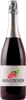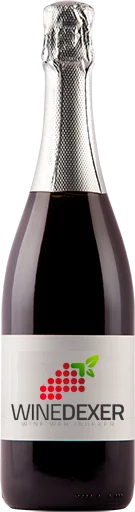
Cave des CoteauxBouvier Fréres Brut
 Sparkling wine


This wine is a blend of 2 varietals which are the Chardonnay and the Pinot noir.
This wine generally goes well with pork, vegetarian or poultry.

Food and wine pairings with Bouvier Fréres Brut
Pairings that work perfectly with Bouvier Fréres Brut



Original food and wine pairings with Bouvier Fréres Brut



The Bouvier Fréres Brut of Cave des Coteaux matches generally quite well with dishes of veal, pork or game (deer, venison) such as recipes of beef bourguignon with cookéo, roast pork in the oven or rabbit with cider and prunes.
Details and technical informations about Cave des Coteaux's Bouvier Fréres Brut.
Discover the grape variety: Chardonnay
Whites with many faces: mineral and taut at Chablis (lemon, green apple, flint), opulent and buttery at Meursault and Puligny-Montrachet (hazelnut, brioche, yellow fruits), tense and chalky in Champagne (Blanc de Blancs). Also vinified sparkling and widely exported (Sonoma, Margaret River, Casablanca). A Burgundian variety, a cross of Pinot Noir × Gouais Blanc, half-sibling of Aligoté.
Last vintages of this wine
The best vintages of Bouvier Fréres Brut from Cave des Coteaux are 2013, 0
Informations about the Cave des Coteaux
The Cave des Coteaux is one of of the world's greatest estates. It offers 29 wines for sale in the of Neuchâtel to come and discover on site or to buy online.

The wine region of Neuchâtel
Swiss vineyard on the western shore of the lake, 606 ha in the Three Lakes region. Signature Pinot Noir (55% of the vineyard, the local prince): fine, fresh reds with notes of cherry, raspberry, undergrowth and sweet spices, silky tannins. Specialty invented here: Œil-de-Perdrix, a delicate Pinot Noir rosé with salmon hues. Lively, mineral Chasselas (citrus, flint) in white, including the identity-marking Non-Filtré primeur.
The word of the wine: Guyot (pruning)
This is the most widespread pruning technique. It includes one or two long branches and allows the mechanization of a large number of vineyard operations.