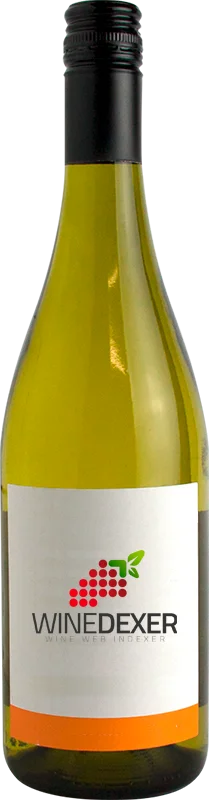
Winery Conte Lorenzo SormaniTrebbiano
 White wine



In the mouth this white wine is a .
This wine generally goes well with lean fish, shellfish or mature and hard cheese.

Taste structure of the Trebbiano from the Winery Conte Lorenzo Sormani
Light | Bold | |
Dry | Sweet | |
Soft | Acidic |
In the mouth the Trebbiano of Winery Conte Lorenzo Sormani in the region of Emilia-Romagna is a .
Food and wine pairings with Trebbiano
Pairings that work perfectly with Trebbiano



Original food and wine pairings with Trebbiano


The Trebbiano of Winery Conte Lorenzo Sormani matches generally quite well with dishes of pasta, shellfish or mature and hard cheese such as recipes of pasta with chicken and curry, tagliatelle with seafood and saffron cream or goose eggs in salad.
Details and technical informations about Winery Conte Lorenzo Sormani's Trebbiano.
Discover the grape variety: Barras
Simple and fruity light reds with a clear ruby robe, soft tannins and an airy palate with moderate acidity, showing undemonstrative aromas of red fruits. Now almost extinct from commercial cultivation, preserved in INRAE ampelographic collections, it bears witness to the varietal diversity of the pre-phylloxera South-West vineyard. Rare French black grape, once cultivated in the South-West.
Last vintages of this wine
The best vintages of Trebbiano from Winery Conte Lorenzo Sormani are 2018, 0
Informations about the Winery Conte Lorenzo Sormani
The Winery Conte Lorenzo Sormani is one of of the world's greatest estates. It offers 39 wines for sale in the of Emilia-Romagna to come and discover on site or to buy online.

The wine region of Emilia-Romagna
Kingdom of Lambrusco: fresh, fruity sparkling reds (blackberry, cherry, violet), from gourmet dry to convivial off-dry, perfect with local charcuterie. World's best-selling sparkling wine on the Emilia side (Sorbara, Grasparossa, Salamino). East, Romagna: supple fruity Sangiovese, Albana (Italy's 1st white DOCG, 1987) ample and almondy. Also red Gutturnio and white Pignoletto.
The word of the wine: Stirring
In the traditional method, the operation aims to bring the deposits against the cork by the movement of the bottles placed on desks. The stirring can be manual or mechanical (using gyropalettes).