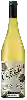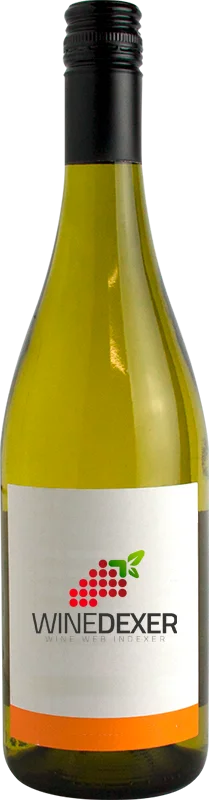
Les Clos PerdusLe Blanc
 White wine
In the mouth this white wine is a .
This wine generally goes well with vegetarian, poultry or lean fish.
Taste structure of the Le Blanc from the Les Clos Perdus
Light | Bold | |
Dry | Sweet | |
Soft | Acidic |
In the mouth the Le Blanc of Les Clos Perdus in the region of Pays d'Oc is a .
Food and wine pairings with Le Blanc
Pairings that work perfectly with Le Blanc



Original food and wine pairings with Le Blanc


The Le Blanc of Les Clos Perdus matches generally quite well with dishes of pasta, vegetarian or poultry such as recipes of lasagna bolognese, quiche lorraine or cajun jumbalaya rice.
Details and technical informations about Les Clos Perdus's Le Blanc.
Discover the grape variety: Abondance
A very old grape variety that was once grown in Savoie and more generally in the Isère Valley, but has now almost disappeared from the vineyards. It should not be confused with Abundant which is a white grape variety formerly cultivated in eastern France.
Informations about the Les Clos Perdus
The Les Clos Perdus is one of of the world's greatest estates. It offers 14 wines for sale in the of Côtes Catalanes to come and discover on site or to buy online.

The wine region of Côtes Catalanes
The wine region of Côtes Catalanes is located in the region of Pays d'Oc of Vin de Pays of France. Wineries and vineyards like the Château de l'Ou or the Domaine Department 66 produce mainly wines red, white and pink. The most planted grape varieties in the region of Côtes Catalanes are Mourvèdre, Viognier and Cabernet-Sauvignon, they are then used in wines in blends or as a single variety. On the nose of Côtes Catalanes often reveals types of flavors of grapefruit, saline or pink grapefruit and sometimes also flavors of watermelon, nectarine or wax.
The wine region of Pays d'Oc
Pays d'Oc is the PGI for red, white and rosé wines that are produced over a wide area of the southern coast of France. The PGI catchment area corresponds roughly to the Languedoc-roussillon">Languedoc-Roussillon wine region, one of the largest wine regions in France. The area covers all wines that are not produced under the strict laws that govern AOC-level appellations in the regions: among them, Corbières, Minervois and the Languedoc appellation itself. The Pays d'Oc PGI is arguably the most important in France, producing the majority of the country's PGI wines.
The word of the wine: Blanc de blancs (champagne)
Champagne made only from the Chardonnay grape. The expression has been somewhat overused by the intensive use made of it by certain large distributors of white table wines (or sparkling wines) who were thus seeking to promote their product.